


Reference · Crops
Beet
Beta L.
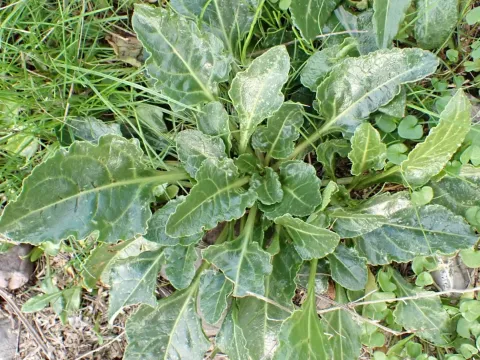
Beet belongs to the Amaranthaceae family and is an herbaceous biennial plant. In its first year, it develops a rosette of leaves and a thickened taproot, while the second year is dedicated to flowering and seed production.
6
items
What the section contains
Marketplace
Products in this section · 12


Биоорганическое нано удобрение "НАГРО" / "NAGRO"
LLC NPO "BIOPLAN"
Fertilizers
43
25
1 offer
37.63 €за л
Buy


Beet
Sowing should take place in early spring once the soil temperature reaches 6–8°C. Planting during this window ensures optimal emergence and maximizes the use of early spring soil moisture.
Seeds are typically sown at a depth of 2 to 4 cm. On lighter, sandier soils, a slightly deeper placement is preferred to prevent drying out, while shallower sowing is better for heavier clay soils.
Target plant density is generally between 300,000 to 500,000 plants per hectare. Modern precision farming and the use of monogerm seeds have significantly reduced the need for labor-intensive thinning.
A sound crop rotation strategy is essential for beet production. Ideally, it should follow cereal crops or legumes, and the crop should not return to the same field for at least 3–4 years to prevent soil-borne disease accumulation.
Beets require deep, well-drained, and fertile soils with a pH level between 6.5 and 7.5. They are particularly sensitive to soil compaction, which can result in misshapen or poorly developed roots.
Boron deficiency is a common issue that causes internal black rot in the root heart. Regular soil testing and micronutrient applications are necessary to ensure high-quality, marketable yields.
The plant thrives in temperate climates with optimal growth occurring at temperatures between 20°C and 25°C. Beets are tolerant of cool weather but require high light intensity for proper development.
Consistent irrigation is vital throughout the growing season, especially during the root enlargement phase. However, excessive watering leading to waterlogging must be avoided to prevent root rot.
Balanced fertilization is key. Nitrogen should be applied carefully; excessive amounts, especially late in the season, can lead to poor storage quality and high nitrate accumulation in the taproot.
Yield varies significantly based on the variety—sugar, fodder, or table beets. Under professional management and optimal conditions, yields can reach 50 to 80 tonnes per hectare.
Productivity is influenced by the genetic potential of the hybrid used, soil moisture availability, and the effectiveness of weed control programs throughout the early stages of growth.
Consistent crop monitoring and management practices directly impact the uniformity of the harvest, which is crucial for efficient mechanical processing and distribution.
Sugar content and dry matter accumulation are the primary quality indicators. These are maximized through controlled irrigation and precise nutrient management during the final stages of maturity.
Regular cultivation and weeding between rows promote soil aeration and oxygen availability to the root system, which is a major factor in achieving high total production volumes.
Beet crops face several threats, including damping-off (seedling blight), cercospora leaf spot, and powdery mildew. These diseases can devastate yields if not managed early in the season.
Common pests include beet leaf miners, aphids, and various species of nematodes. These pests can weaken the plant, stunt growth, or act as vectors for more serious viral diseases.
- Utilize fungicide-treated seeds to protect against early-stage soil-borne diseases.
- Implement integrated pest management (IPM) to monitor and control insect populations.
- Maintain clean field borders to eliminate host weeds for viral infections.
- Apply corrective fungicidal sprays upon the first detection of foliar symptoms.
Virus yellows, transmitted by aphids, is a serious threat to beet production. Controlling aphid vectors is essential to prevent significant viral spread across the entire field.
Constant field scouting is a standard agronomic practice to detect pest infestations or disease clusters before they spread, ensuring timely and cost-effective interventions.
Harvesting should be completed before the onset of persistent ground frosts. Frost damage to the exposed crown of the root can lead to rot and compromise long-term storage quality.
For commercial production, specialized harvesters are used to lift the roots, remove the foliage, and transport the product. This mechanization is essential for efficiency at scale.
Post-harvest care involves removing excess soil and minimizing mechanical damage. Bruised or cut roots are significantly more prone to fungal infections during storage.
Optimal storage requires a cool environment, typically between 1°C and 2°C, with high relative humidity to keep the beets firm and prevent them from wilting or drying out.
Good ventilation inside storage facilities is necessary to regulate temperature and moisture levels, ensuring the roots remain healthy until they are delivered to market.