
Bassia arabica
Bassia arabica
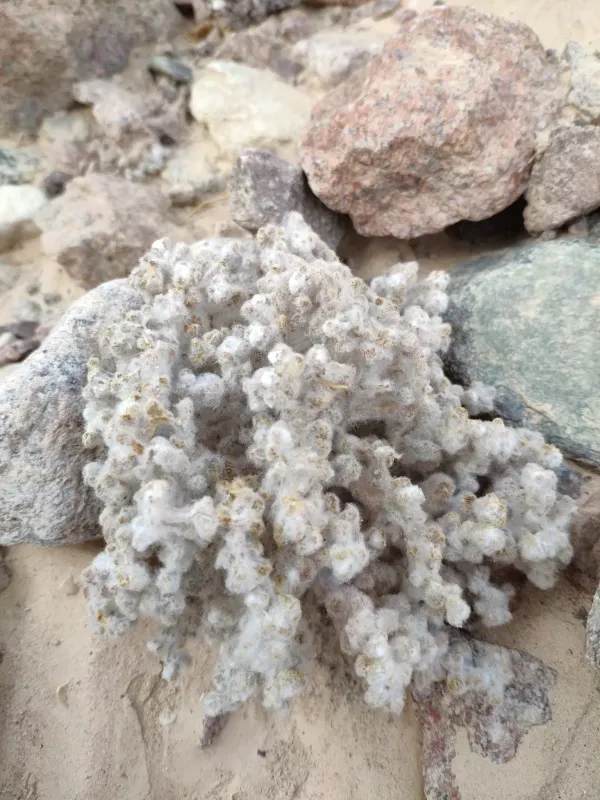
Description
Growing requirements
Bassia arabica is a herbaceous plant belonging to the Amaranthaceae family. It is a highly specialized species adapted to survive in extreme desert and semi-desert environments, demonstrating remarkable resilience against heat and water stress.
The origin and natural distribution of this plant are primarily located in the Middle East and parts of North Africa. It has evolved to thrive in regions where annual precipitation is low and environmental conditions are harsh for conventional crops.
Botanically, Bassia arabica is characterized by its significant drought tolerance mechanisms. It features deep, extensive root systems that can extract moisture from arid soils, and its physiological structure helps manage water loss during intense heat.
This crop is recognized for its halophytic properties, meaning it has an innate ability to grow in saline soils. This biological trait makes it an interesting candidate for the reclamation of salt-affected lands in arid agricultural sectors.
In terms of soil requirements, it prefers well-drained, sandy, or light-textured soils. It does not tolerate waterlogging, which causes rapid root damage and susceptibility to fungal diseases. It prefers alkaline environments that are typical of arid habitats.
Main diseases and pests
The primary threats to Bassia arabica are related to improper water management. Root and stem rot diseases, typically induced by soil moisture saturation, represent the greatest risk to the health and survival of the crop population.
Insect pests, particularly locusts and other grasshoppers, pose a threat to the plant's foliage. These pests can cause significant damage to the biomass, especially during the growth stages, requiring integrated pest management strategies.
Fungal pathogens associated with moisture excess can devastate a stand within a short period. Ensuring proper soil drainage and avoiding over-irrigation are the most effective preventative measures against these threats.
Seed-borne pathogens can also affect the productivity and long-term viability of Bassia arabica. Using high-quality, treated, or certified seed stock is crucial for establishing healthy and productive crop stands in arid regions.
Biological control measures that preserve native beneficial predators can help manage pest outbreaks. Balancing the local ecosystem around the cultivation site is vital to reduce the reliance on intensive chemical interventions.