
Bassia tomentosa
Bassia tomentosa
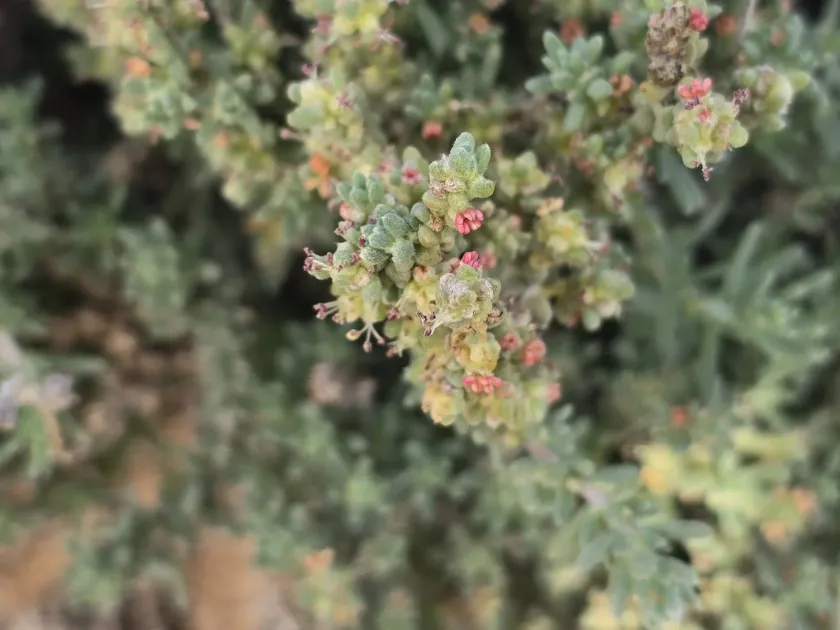
Description
Growing requirements
Bassia tomentosa is a resilient annual herb belonging to the Amaranthaceae family. It is recognized for its extraordinary ability to thrive in harsh environments, particularly in arid regions characterized by high salinity levels and water scarcity.
The plant originates from desert and semi-desert areas where it functions as a natural halophyte. This evolutionary adaptation allows the species to extract water from saline soils, making it a candidate for restoring degraded landscapes that are otherwise unsuitable for traditional agriculture.
The botanical architecture of Bassia tomentosa includes highly branched stems covered with a dense, felt-like pubescence. This gray-colored coating serves as a protective layer against intense sunlight and significantly reduces transpiration rates, ensuring water conservation within the plant tissues.
Cultivation requirements for this crop focus on well-drained, light-textured soils with high sun exposure. While the plant is inherently hardy, irrigation during the early growth stages can significantly improve the biomass yield, providing a more reliable output for forage purposes.
In terms of agricultural utility, the species is valued for its role in soil remediation and for producing forage in extreme environments. It serves as an essential resource in areas where standard livestock feed sources cannot be grown, offering a sustainable solution for pastoral farming.
Main diseases and pests
Bassia tomentosa faces several phytosanitary risks, primarily from fungal pathogens such as powdery mildew. These diseases tend to proliferate during periods of high humidity, which can negatively affect the foliage density and overall crop health.
Insect pests such as sugar beet weevils and aphids are common threats to this crop. These pests feed on the young succulent parts of the plant, often causing growth inhibition if they strike during the sensitive stages of seedling development.
Integrated pest management strategies are crucial for maintaining healthy stands. This includes maintaining proper crop spacing to ensure good air circulation and implementing strict weed management to prevent the buildup of pest populations near the field.
Soil management, including post-harvest tillage, is recommended to destroy the overwintering stages of harmful insects. By disrupting the life cycles of these pests within the topsoil, the reliance on intensive pesticide applications can be significantly reduced.
Monitoring the fields for early signs of disease and pest infestation is essential. When necessary, the application of targeted biological control agents is preferred to maintain environmental safety and ensure the biomass remains suitable for its intended use as animal feed.