
Bassia sedoides
Bassia sedoides
Bassia sedoides is an annual herbaceous plant belonging to the Amaranthaceae family. It is widely recognized as a highly resilient halophyte, capable of thriving in environments with significant soil salinity.
What the section contains
Bassia sedoides
The plant is native to the steppe and semi-desert regions of Eurasia, where it plays a critical role in the local ecosystem. Its evolution in harsh, continental climates has rendered it exceptionally drought-tolerant.
Agricultural success with this species depends on well-drained, sandy, or saline soils. It does not require intensive fertilization, making it a sustainable option for poor or marginal land rehabilitation.
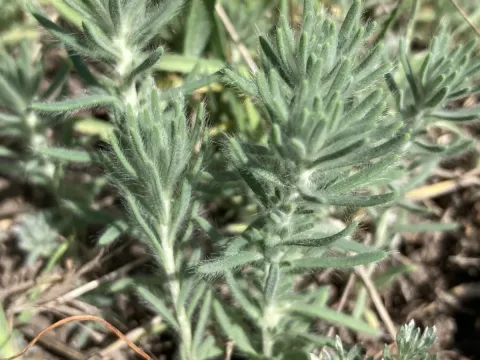
Botanically, it features succulent, cylindrical leaves and a branched stem structure. These traits help the plant minimize water loss while maximizing photosynthetic surface area during peak heat.
In terms of usage, Bassia sedoides serves primarily as a forage resource in arid areas. It remains green and nutritious when other pasture grasses enter dormancy, providing essential feed for livestock.
The plant is relatively robust, yet it can be susceptible to common pests such as beet webworms or various beetles that feed on Chenopodiaceae species. These can cause damage to the foliage during the vegetative stage.
Fungal diseases are rarely an issue in the arid habitats where Bassia sedoides grows naturally. However, in localized irrigation scenarios, powdery mildew or root rots can develop if soil aeration is compromised.
Weed pressure during the establishment phase is the primary threat to stand density. Since it is a pioneer species, it requires careful site management to ensure it successfully occupies the area.
The plant exhibits high chemical defense mechanisms typical of desert flora, which often deters many herbivores and insects, acting as a natural form of protection.
Current research into the pathology of this species remains limited, emphasizing the need for observational monitoring in agricultural plots to detect early signs of infestation.