
Bassia pilosa
Bassia pilosa
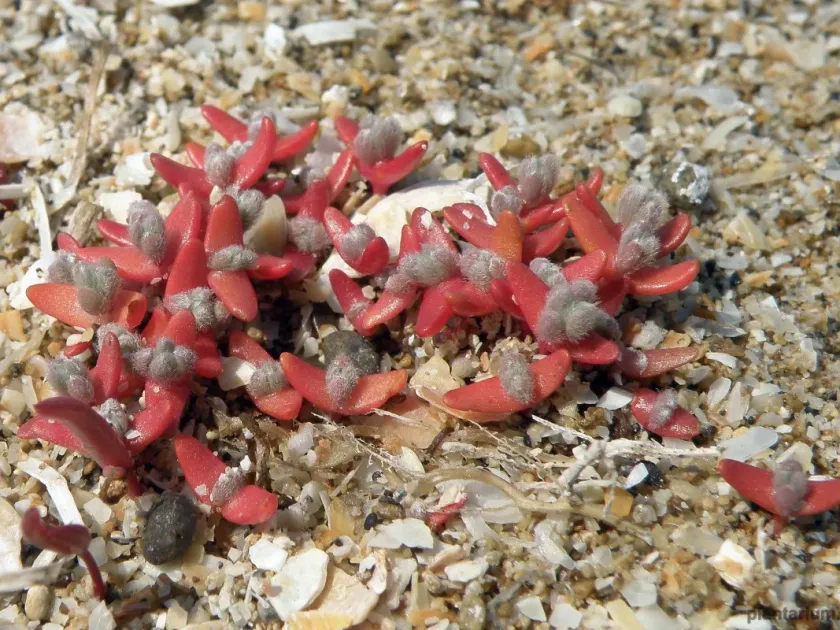
Description
Sowing dates
Bassia pilosa is a warm-season crop, therefore sowing should only be conducted once the soil temperature consistently reaches 12-15 degrees Celsius. The optimal planting window usually falls in late spring, after the risk of frost has completely passed.
Precise seed depth is critical for successful emergence, with a recommended range of 1 to 2 centimeters. Sowing too deep can significantly delay germination and deplete the seedling's energy reserves before it reaches the surface.
The seeding rate must be adjusted based on soil fertility and the final intended use of the crop. Following the sowing process, it is standard practice to roll the field to ensure optimal soil-to-seed contact and improved moisture absorption.
Seedlings are sensitive to weed competition in the early stages of development. Therefore, maintaining clear field conditions and mechanical cultivation between rows is essential for the crop to establish itself effectively.
Properly managed sowing dates allow the plant to achieve rapid vegetative growth, enabling it to outcompete weeds during the latter half of the growing season as it fills in the gaps between rows.
Growing requirements
As a member of the Amaranthaceae family, Bassia pilosa exhibits remarkable resilience to harsh environments. It is a true xerophyte, making it an excellent candidate for agricultural production in semi-arid regions and drought-prone climates.
The crop is highly adaptable to various soil types, performing best on sandy loams and chestnut soils. A notable botanical trait is its high tolerance for soil salinity, which allows for productive use of land that might otherwise be considered marginal.
Bassia requires high light intensity for optimal photosynthesis. Shading or excessive plant density can result in reduced biomass accumulation, necessitating the adherence to recommended planting densities to ensure maximum productivity.
The plant features a deep and expansive root system capable of accessing water from lower soil profiles. This physiological adaptation allows the crop to maintain turgor pressure even during extended periods of water scarcity.
Nitrogen fertilization can enhance vegetative yield, but for forage purposes, it is vital to balance nutrient inputs to prevent excessive nitrate accumulation, which could be detrimental to livestock health.
Yield
The yield potential of Bassia pilosa is largely dependent on management practices and seasonal rainfall. In favorable conditions, the crop produces significant amounts of biomass, making it a reliable resource in challenging environments.
The peak nutritional value occurs during the blooming phase. Early harvesting provides a higher-quality, more digestible fodder, while delayed harvesting significantly increases the total volume of dry matter per hectare.
Supplemental irrigation during critical growth stages can nearly double the biomass yield, demonstrating the crop's ability to respond favorably to intensive management despite its inherent drought resistance.
The primary agricultural application is as a forage crop. Bassia pilosa serves as a vital nutritional source for livestock in regions where conventional forage options often fail due to extreme climatic pressures.
Nutritional analysis indicates a balanced composition of proteins and carbohydrates, allowing the biomass to be used fresh or as a component in silage and haylage production processes.
Main diseases and pests
Bassia pilosa possesses strong natural defenses, and major epizootics caused by specific pathogens are rarely reported in commercial fields, which helps to maintain low production costs regarding chemical inputs.
However, excessive soil moisture and poor drainage can lead to root rot issues. Avoiding waterlogged areas and ensuring proper field topography are the primary strategies for mitigating these fungal risks.
Insect pests are most problematic during the seedling stage. Soil-borne pests, such as wireworms, can damage young roots, leading to uneven stand density and reduced overall crop vigor.
Aphid infestations may occur during peak growth phases. If intervention becomes necessary, biological control methods are preferred to maintain the forage's purity and avoid lengthy pesticide pre-harvest intervals.
Adherence to a sound crop rotation schedule is the most effective preventative measure. Avoiding the return of Bassia to the same field for at least 3-4 years breaks pest cycles and prevents soil depletion.
Harvesting
Harvest timing is dictated by the specific end-use requirements. For silage, mowing should occur at the bud stage to maximize sugar and protein content, which are essential for successful lactic acid fermentation.
When producing hay, the goal is to facilitate rapid moisture loss from the stems. Frequent tedding of the windrows is necessary to prevent spoilage and minimize the loss of vital nutrients during the drying process.
If seed production is the objective, harvesting must be completed as soon as seeds on the lower branches show signs of browning. Timing is critical to prevent significant losses due to seed shattering.
Standard mowing equipment should be set to a cutting height of 10-15 centimeters. This height preserves the plant's growing point, allowing for potential regrowth if the management plan includes multiple cuts.
Post-harvest handling requires immediate cleaning and storage in well-ventilated facilities to prevent secondary heating and potential spontaneous combustion of the stored plant material.