
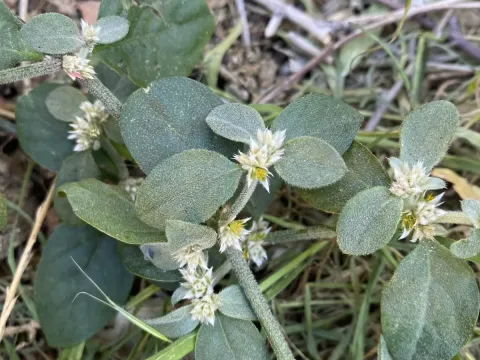
Shrubby alternanthera
Alternanthera frutescens
Shrubby alternanthera (Alternanthera frutescens) is a perennial herbaceous or semi-shrubby plant within the Amaranthaceae family. Native to the tropical regions of South America, it has gained recognition worldwide for its vibrant, ornamental foliage.
What the section contains
Shrubby alternanthera
Botanically, the plant features branched stems and opposite leaves that often display shades of red, purple, or deep green. Its growth habit is typically shrubby, making it an excellent candidate for formal gardening and intricate color-based landscape designs.
The culture requires a tropical or subtropical climate to thrive as a perennial. In temperate regions, it is cultivated primarily as an annual or a potted plant, as it cannot withstand freezing temperatures and requires protection during colder months.
Soil requirements include well-drained, nutrient-rich substrates with a neutral to slightly acidic pH. The plant performs best under full sunlight, which enhances the intensity of its leaf pigmentation, though it can tolerate partial shade in hotter climates.
In terms of agricultural practices, frequent pruning is essential to maintain a compact, bushy appearance. Regular, balanced fertilization ensures vigorous growth and keeps the foliage density consistent throughout the growing season.
Root rot caused by fungal pathogens is the most significant disease threat to this species. It is almost exclusively associated with overwatering or poor soil drainage, necessitating careful management of soil moisture levels.
Pest management focuses largely on spider mites and whiteflies, especially when plants are grown in greenhouses or indoor environments. These insects thrive in dry conditions and can cause significant foliage damage if left uncontrolled.
Integrated pest management strategies are recommended, utilizing both biological controls and appropriate chemical treatments as needed. Monitoring the underside of leaves regularly is a crucial step in early detection.
Nutrient deficiencies often manifest as chlorosis, which can be corrected by monitoring the chemical composition of the soil and applying micronutrients. Ensuring adequate air circulation around the plants further reduces the risk of fungal outbreaks.
Proper sanitation, including the removal of dead or decaying plant matter, is vital to prevent the spread of diseases within larger decorative plantings, ensuring the long-term health and aesthetics of the crop.