
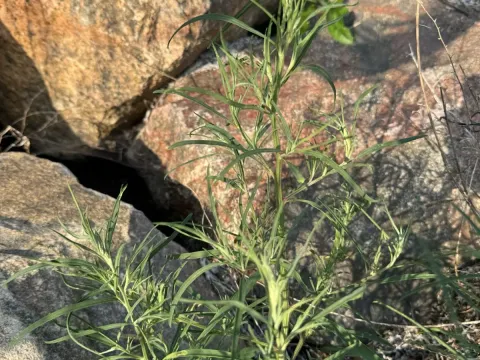
Sea orache
Atriplex littoralis
Atriplex littoralis is an annual herbaceous plant, and its cultivation cycle begins with sowing seeds in early spring as soon as soil conditions allow.
What the section contains
Sea orache
It is recommended to sow seeds during April or May, ensuring the soil has warmed up sufficiently to trigger the germination process effectively.
Seeds should be placed at a shallow depth of approximately 1 to 2 centimeters to provide optimal contact with soil moisture without hindering the emergence of sprouts.
Field preparation is a crucial step; ensure the area is free from competing weeds to allow the seedlings to establish a strong root system during the initial phase.
Uniform seed distribution is essential for maximizing crop density and ensuring that each plant has enough space to thrive throughout the growing season.
As a member of the Amaranthaceae family, this plant is well-known for being a halophyte, meaning it thrives in environments with high soil salinity.
Sea orache requires abundant sunlight and performs best when grown in open areas with minimal shading from surrounding vegetation or structures.
While the plant is adaptable to various soil types, it shows a preference for sandy or loamy soils that provide good aeration and drainage characteristics.
Water management is vital, as the plant requires consistent moisture, especially during the early developmental stages, to reach its full biomass potential.
The species exhibits high resistance to environmental stressors, including strong coastal winds and periods of transient soil moisture fluctuations.
The total yield of Atriplex littoralis depends heavily on site-specific factors such as nutrient availability and the level of management provided to the crop.
Under optimal conditions, the plant can produce a substantial amount of green biomass, which serves as the primary output for various agricultural applications.
Implementing a structured fertilization plan can significantly boost vegetative growth, allowing for earlier and more frequent harvesting of the plant material.
Monitoring growth stages is necessary to harvest at the peak of nutrient density, which usually occurs just before the plant enters the reproductive phase.
Good agricultural practices, such as controlling plant density and managing soil health, contribute directly to achieving consistent and high yields annually.
Atriplex littoralis is generally resilient against many common crop diseases, reducing the need for intensive chemical interventions in most cultivation scenarios.
However, growers should remain vigilant for potential pest infestations, such as aphids or leaf-feeding insects, which can occasionally impact plant vigor.
Excessive humidity in the canopy can create conditions favorable for fungal growth, necessitating good air circulation and proper spacing between individual plants.
Adhering to sound crop rotation practices is the best preventive measure to minimize the accumulation of soil-borne pathogens and maintain field productivity.
Integrated pest management strategies focusing on physical and biological controls are preferred to protect the crop while maintaining environmental sustainability.
The timing of the harvest is critical because the seeds tend to shatter easily upon reaching full maturity, which can lead to significant post-harvest losses.
Harvesting should be conducted when the seeds are adequately developed but before widespread shattering occurs across the field to ensure maximum collection.
Mechanical harvesting equipment should be calibrated to operate gently, minimizing damage to the seeds and ensuring that foreign material is kept to a minimum.
Post-harvest processing involves drying the material in a cool, well-ventilated area to reduce moisture content to safe levels, preventing spoilage during storage.
Proper storage techniques, including the use of moisture-resistant containers, are essential to preserve the germination quality of the seeds for future planting.