


Reference · Crops
Spinach
Spinacia L.
Spinach is a fast-growing crop that is typically sown in multiple successions. Early spring sowing begins in April as soon as the soil warms up to 5-10 degrees Celsius.
1
items
What the section contains
Marketplace
Products in this section · 12


Spinach
To ensure a continuous harvest throughout the season, growers practice successional sowing every 14-20 days until the summer heat arrives.
Autumn planting is conducted in August or September, allowing for a fresh harvest at the end of the season, as the crop tolerates light frosts well.
In regions with mild winters, late autumn sowing in October or November is possible to obtain an early harvest immediately after the snow melts in spring.
Seeds should be sown in rows 20-30 cm apart, at a depth of 2-3 cm, ensuring they are placed in well-moistened soil for optimal germination.
Spinach belongs to the Amaranthaceae family and is a long-day plant. Under high light intensity and temperatures, it tends to bolt prematurely.
The crop thrives in fertile, loamy, or sandy soils with a neutral pH level and a high content of organic matter to support rapid leaf development.
Regular watering is essential for spinach. A lack of moisture quickly leads to tougher leaves and a significant decrease in the overall quality of the yield.
The optimal temperature range for vegetative growth is 15-18 degrees Celsius. Hot weather negatively impacts the juiciness and flavor of the leaf rosette.
The best crop rotation precursors for spinach include potatoes, cabbage, tomatoes, or cucumbers, provided the soil was enriched with organic fertilizers.
Spinach yield varies depending on the variety, plant density, and cultivation practices, typically ranging from 1.5 to 3 kilograms per square meter.
Using intensive growing techniques and protected cultivation environments can significantly increase productivity through higher plant population density.
Early-maturing varieties allow for a marketable harvest within 30-45 days after germination, ensuring efficient land use and quick crop rotation cycles.
To maximize the marketable mass, it is crucial to thin the seedlings early, maintaining a spacing of at least 10-15 centimeters between individual plants.
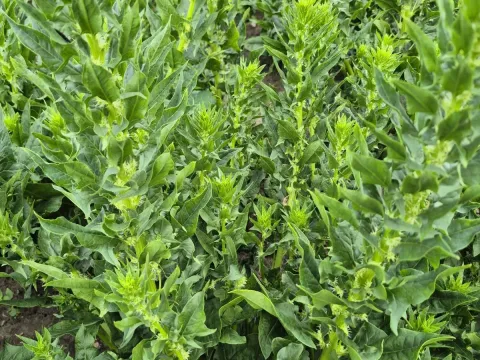
The quality of the harvest depends on the tenderness of the leaves, so harvesting must be completed before the central flower stalk begins to form.
One of the most dangerous diseases for spinach is downy mildew (Peronospora), which appears as yellow spots on the upper surface of the leaves.
Root rots can affect young seedlings if the soil is waterlogged or poorly aerated, making proper drainage and crop rotation essential management tools.
Key pests include aphids and the spinach leaf miner, whose larvae create tunnels inside the leaf tissues, rendering the product unmarketable.
Snails and slugs often damage tender leaves under humid conditions, especially during the early developmental stages of the crop in the spring.
- Crop rotation practices
- Removal of plant debris
- Regular soil cultivation
- Effective weed management
- Use of resistant varieties
Harvesting spinach should be done when the leaf rosette reaches the desired size but before the central flowering stem starts to elongate.
Leaves are typically harvested by cutting them at the base of the rosette or pulling the entire plant if grown in dense beds for bunching.
It is best to harvest in the morning when the leaves are turgid and fully hydrated, which helps ensure better shelf life after the harvest is complete.
Fresh spinach is highly perishable and does not store well at room temperature, so it should be cooled immediately or processed quickly.
To preserve freshness, the harvested greens should be packed in perforated bags and stored in a cold room at temperatures between 0 and 2 degrees Celsius.