
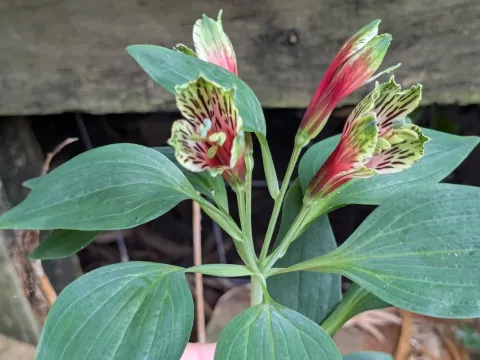
Parrot lily
Alstroemeria psittacina
Planting Alstroemeria psittacina, commonly known as the parrot lily, is best performed in the spring once the soil has sufficiently warmed. In regions with milder climates, planting can also take place in late summer to allow for root establishment before the winter dormant phase.
What the section contains
Parrot lily
Propagation from seed requires a period of cold stratification to break dormancy. Seeds are sown in trays during the late winter and kept at controlled temperatures to ensure high germination rates before being transplanted into their permanent outdoor locations.
When planting, it is crucial to place the rhizomes at a depth of approximately 15 to 20 centimeters. Providing adequate space between plants, typically 30 to 40 centimeters, promotes air circulation and reduces the likelihood of foliage moisture accumulation.
The substrate must be highly permeable to ensure that excess water drains away from the delicate root system. Adding organic matter, such as well-rotted leaf mold or compost, at the time of planting provides the necessary nutrients for initial vigorous growth.
In greenhouse environments, planting schedules are optimized to meet market demand. Supplemental lighting is often utilized to adjust flowering times, ensuring a consistent supply of cut flowers throughout the year regardless of seasonal shifts.
As a member of the Alstroemeriaceae family, this species thrives in locations with bright, filtered sunlight. Exposure to harsh, direct midday sun can result in leaf scorching and faded flower color, reducing the market value of the crop.
Soil requirements focus on high organic content and a slightly acidic to neutral pH level. Soil structure should be light and well-drained, as Parrot lilies are particularly susceptible to root damage in compacted or waterlogged heavy clay soils.
The ideal ambient temperature for vegetative growth is between 15°C and 20°C. Maintaining these temperatures is essential for the healthy development of flower stalks and to prevent the premature onset of dormancy during the active growth period.
Moisture management requires consistent, moderate watering. Avoid overhead irrigation to keep the foliage dry, which significantly helps in preventing common fungal issues associated with high humidity and stagnant air pockets around the plants.
Regular fertilization with a balanced, potassium-rich liquid feed is recommended throughout the growing season. Potassium supports strong stem growth and vibrant flower color, which are critical traits for professional floral production.
Gray mold, or Botrytis, is a primary concern for the Parrot lily, often appearing in conditions of high humidity and poor airflow. Prompt removal of infected tissue and the application of fungicides are standard management practices in commercial plots.
Root rot pathogens, such as Phytophthora, can destroy a crop if drainage is inadequate. Improving soil structure and avoiding over-irrigation are the most effective preventive measures against these devastating soil-borne diseases.
Thrips are a significant pest that can cause severe damage to the developing flower buds, resulting in deformed and unmarketable stems. Monitoring using sticky traps is essential to detect early infestations and allow for targeted control.
Spider mites often attack the plants when the environment becomes too dry. Increasing ambient humidity and using appropriate miticides are standard interventions to protect the foliage and maintain the plant's overall health and vigor.
Aphids can cause damage not only through direct feeding but also by transmitting viruses. Maintaining a strict pest management program is vital for preventing the spread of incurable viral diseases that can wipe out entire plant batches.
The harvest of Parrot lily stalks should occur when the first one or two buds on the inflorescence begin to show color. Harvesting at this stage ensures a long vase life and prevents damage during shipping to various floral markets.
Rather than cutting the stems with a knife, they should be pulled or twisted from the base of the plant. This mechanical action stimulates the rhizomes to produce new, healthy flowering shoots for subsequent harvest cycles.
Once harvested, stems must be placed immediately into clean water mixed with floral preservatives. This step is critical for hydrating the stems and ensuring that all remaining buds on the stalk open fully after the product reaches the consumer.
Grading is performed based on stem length, stalk strength, and the number of developed buds per inflorescence. High-quality stems are then bundled and packaged in moisture-resistant materials to ensure they arrive in pristine condition.
Post-harvest storage should be managed at cool temperatures, typically between 5°C and 8°C. Cold storage helps slow down the respiration process, effectively extending the marketability of the flowers and reducing post-harvest waste.