
Brazilian alstroemeria
Alstroemeria brasiliensis
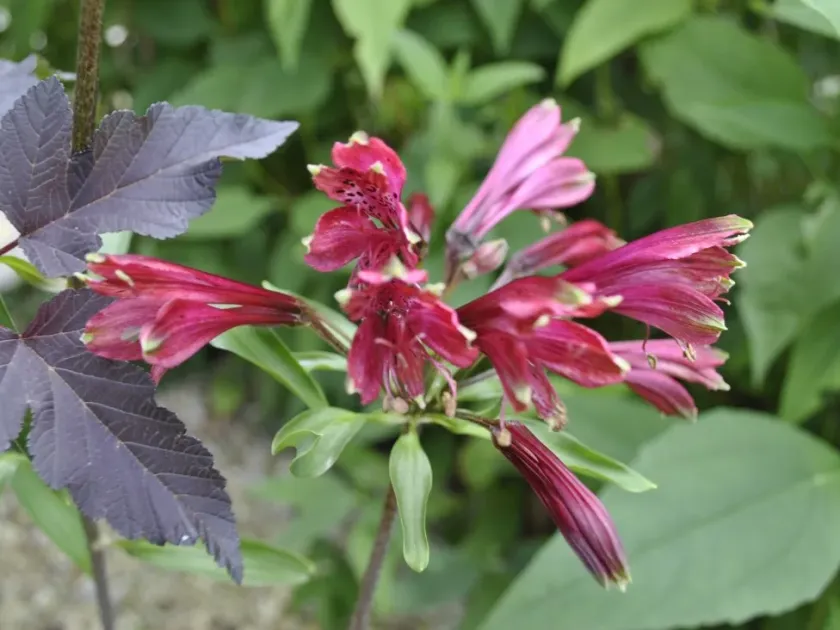
Description
Growing requirements
The Brazilian alstroemeria Alstroemeria brasiliensis is a perennial rhizomatous plant belonging to the Alstroemeriaceae family. It originates from the tropical and subtropical regions of Brazil, where it thrives in sheltered habitats with dappled sunlight.
Optimal growth requires well-drained, porous soil enriched with organic matter. The crop is highly sensitive to soil compaction and waterlogging, which can cause the fleshy rhizomes to rot quickly, necessitating the use of specialized substrate mixes in greenhouse environments.
Climate requirements focus on maintaining a stable environment, ideally between +18°C and +24°C. This species does not tolerate frost, and extreme heat can lead to a decrease in flower quality and forced dormancy, making precise temperature control essential for commercial viability.
Agronomic management involves consistent irrigation practices that keep the root zone evenly moist without saturation. Furthermore, because of the tall and slender nature of the flowering stems, growers must install support netting to prevent the plants from lodging as they reach maturity.
The primary economic use of this plant is in the cut-flower industry. It is highly valued for its long vase life and vivid aesthetic appeal, making it a staple in professional floral arrangements and decorative horticulture worldwide.
Main diseases and pests
The most significant pathological threats include various root and crown rots caused by Fusarium and Pythium fungi, which are often exacerbated by poor drainage and excessive ambient humidity within enclosed growing structures.
Insect pests such as thrips, spider mites, and aphids present a constant challenge, particularly in greenhouse settings where they can reproduce rapidly. Effective management involves rigorous monitoring, sanitation protocols, and the timely application of targeted insecticides or biological control agents.