
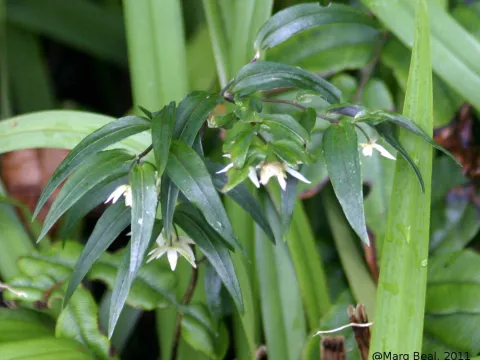
Drymophila
Drymophila
Drymophila is a genus of perennial herbaceous plants belonging to the Colchicaceae family. Native primarily to the forests of Australia, these plants are adapted to sheltered, shaded habitats where they thrive in rich, organic-laden soil environments.
What the section contains


Drymophila
The successful cultivation of Drymophila requires careful attention to soil moisture and lighting conditions. These plants perform best in well-drained, acidic to neutral soils with high humus content, mimicking the natural forest floor conditions found in their native range.
Climate requirements include protection from direct, intense sunlight and harsh winds. They prefer cool, moist air, making them suitable for shaded garden corners or woodland beds where the temperature remains stable throughout the growing season.
Botanically, Drymophila species are characterized by their slender, lance-shaped foliage and delicate, often pendulous flowers. The plants emerge from rhizomes, which are essential for nutrient storage and survival during the cooler periods of the year.
The primary horticultural use of this genus is in ornamental gardening, particularly for rock gardens, woodland displays, and shade-loving perennial borders. Their unique aesthetic and elegant growth habit make them a sought-after addition for collectors of temperate flora.
The most significant threat to Drymophila is root rot caused by poor soil drainage. If the substrate becomes waterlogged, the rhizomes are prone to fungal infection, leading to rapid deterioration of the entire plant structure.
Garden pests such as slugs and snails are highly attracted to the lush foliage of these plants, especially in spring. Implementing physical barriers like copper tape or crushed eggshells around the base of the plant can provide effective protection.
Aphids may occasionally infest the developing buds, affecting the quality of the blooms. Regular monitoring and gentle washing with water or specialized insecticidal soap are recommended to maintain plant health without chemical damage.
To prevent disease spread, ensure adequate spacing between plants to allow for proper airflow. Humidity management is key in greenhouse or nursery settings, where stagnant air often leads to the proliferation of mildew and other pathogens.
Sanitation practices, such as the removal of dead or decaying plant matter, are essential to minimize the inoculum of soil-borne fungi. Maintaining a clean growing environment significantly reduces the need for aggressive chemical interventions.