
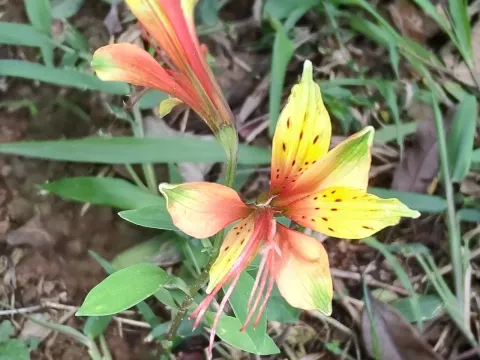
Alstroemeria caryophyllaea
Alstroemeria caryophyllaea
Alstroemeria caryophyllaea, a member of the Alstroemeriaceae family, is primarily propagated vegetatively in commercial production. Dividing the rhizomes during the dormancy period ensures the retention of desirable cultivar traits and promotes robust initial growth.
What the section contains
Alstroemeria caryophyllaea
When seeds are utilized, sowing must be performed in well-draining, sterile substrates. These seeds require a stratification phase to break dormancy, which is essential for ensuring uniform germination rates and avoiding losses in the seedbed.
The optimal time for establishing new plantings in greenhouse environments is early spring. Increased daylight hours during this period stimulate vigorous development of the root system and set the stage for strong floral shoot production.
Correct planting depth is vital for this species, typically ranging from 10 to 15 centimeters. Placing rhizomes at this depth protects the growth buds from temperature fluctuations and prevents the rhizosphere from drying out prematurely.
In modern high-tech agriculture, micropropagation via tissue culture is often employed. This method allows for the production of large quantities of healthy, virus-free plants, ensuring consistency across entire greenhouse blocks.
Originating from South America, Alstroemeria caryophyllaea requires strict climatic control. The plant thrives in temperature ranges between 18 °C and 22 °C, with overheating of the root zone being a major risk factor for plant health.
Soil requirements focus on high aeration and drainage, with a pH balance between 5.5 and 6.5. Since the root system is fleshy and sensitive to anaerobic conditions, heavy or compacted soils should be avoided at all costs.
Light levels are a critical determinant of harvest quality. During winter months, supplemental lighting is necessary to prevent the elongation of stems and ensure that the plants receive sufficient energy for continuous bud development.
Irrigation is most effectively managed through drip systems, which allow for uniform moisture distribution without wetting the foliage. Constant, balanced hydration prevents the common issue of flower bud abortion.
Fertilization regimes must prioritize potassium levels over excessive nitrogen to promote stem strength and flower longevity. Regular monitoring of nutrient content in the substrate is standard practice in professional cultivation.
Root rot, caused by pathogens like Pythium and Phytophthora, is the primary threat to Alstroemeria caryophyllaea. These diseases are exacerbated by poor drainage and excessive moisture, often requiring swift management of soil conditions.
Insect pests such as Western flower thrips and spider mites pose a constant challenge in protected environments. Their feeding activity can significantly damage leaf tissues and diminish the aesthetic appeal of the blooms.
Aphids are a concern not only due to direct damage but also because they can transmit viral pathogens. Once a plant is infected with a virus, there is no chemical cure, necessitating the removal of the plant to prevent spread.
Integrated Pest Management (IPM) is the best approach, utilizing a combination of biological controls, sanitation, and judicious use of systemic pesticides. Keeping the greenhouse environment clean is the first line of defense.
- Maintaining optimal humidity levels to reduce stress.
- Regular sanitization of all cultivation tools.
- Immediate isolation of plants displaying disease symptoms.
The harvest phase occurs when the first few buds on a spray begin to show color. This stage provides the perfect balance between post-harvest longevity and initial consumer appeal in the floral market.
Stems should be harvested by snapping them off at the base rather than using a knife. This natural separation encourages the rhizome to produce new shoots, significantly increasing the yield over the plant's productive life cycle.
Post-harvest care involves immediate placement in treated water to prevent air embolism and bacterial buildup in the stem vascular system. Keeping flowers cool during storage is mandatory to maintain petal turgidity.
Grading is performed based on stem length and the number of open blooms per spray. Careful packaging ensures the flowers reach their destination without mechanical damage, preserving their high market value.
Alstroemeria caryophyllaea is highly prized in the floral industry for its unique appearance and clove-like fragrance. It serves as a premium component in high-end arrangements and is valued for its remarkable vase life.