
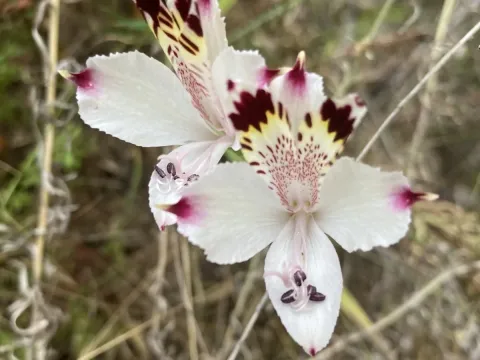
Alstroemeria diluta
Alstroemeria diluta
Alstroemeria diluta is a perennial herbaceous plant belonging to the Alstroemeriaceae family. Native to the coastal regions of Chile, this species has evolved in arid environments, requiring specific cultivation practices to thrive in agricultural or greenhouse conditions.
What the section contains
Alstroemeria diluta
The plant demands well-draining, aerated soil to prevent root asphyxiation. In commercial settings, sandy loam mixtures with a neutral or slightly acidic pH are ideal, as they provide the necessary structure for the rootstock to develop without constant moisture stress.
Environmental conditions play a crucial role in plant health. Alstroemeria diluta performs best in temperatures ranging from 15 to 22 degrees Celsius. Extreme heat, particularly during the growing season, can cause physiological stress and stop flower bud production.
Light management is essential for this culture. While it requires bright light for optimal blooming, protection from intense mid-day sunlight is necessary to prevent leaf scorch and ensure the longevity of the blooms, especially in protected environments.
Hydration management requires precision. Irrigation should be applied consistently but sparingly, utilizing drip systems to minimize foliage wetness, which helps prevent the onset of various fungal infections that can compromise the plant's health.
Fungal diseases are the primary threat to Alstroemeria diluta. Rhizoctonia and Fusarium species thrive in poorly drained substrates, attacking the root system and often leading to sudden plant collapse if moisture levels are not strictly managed.
Thrips are a persistent problem in greenhouse cultivation. They feed on the developing buds, leaving unsightly marks on the petals. Effective pest management requires a combination of biological control methods and integrated pesticide programs to protect the crop.
Spider mites represent a significant challenge in dry, warm conditions. They proliferate rapidly on the underside of leaves, causing chlorosis and weakening the plant. Regular monitoring of the foliage is essential to detect outbreaks before they reach critical levels.
Viral infections remain a major concern for this ornamental crop. These diseases are often spread through manual handling and improper sanitation. Strict adherence to biosecurity protocols, including tool disinfection, is the only way to minimize the risk of infection spread.
- Root rot caused by Fusarium.
- Thrips infestation on buds.
- Spider mite damage.
- Infection by leaf-spotting fungi.