
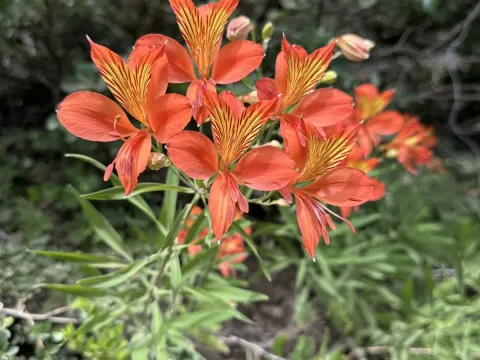
Alstroemeria ligtu
Alstroemeria ligtu
Alstroemeria ligtu can be propagated from seeds or by rhizome division. Seeds should be sown in late winter in a well-draining substrate, requiring a stratification period to ensure uniform germination.
What the section contains
Alstroemeria ligtu
Maintaining a temperature range of 18–20 degrees Celsius is critical during the germination phase. Growing from seedlings helps in selecting the most vigorous plants for commercial cultivation.
Vegetative propagation involves carefully dividing mature rhizomes after the flowering cycle ends. This method is preferred to maintain specific genetic traits and consistent plant quality.
Young plants are transplanted into open fields only after the risk of spring frost has passed. Gradual hardening off is necessary to prevent transplant shock in the new environment.
Spacing is essential for plant health; keeping plants 30–40 centimeters apart promotes adequate airflow, which is a key preventive measure against common fungal diseases.
Alstroemeria ligtu belongs to the Alstroemeriaceae family and originates from the mountainous regions of Chile. It thrives in well-drained, fertile soil with a neutral to slightly acidic pH level.
The plant requires significant sunlight but benefits from light shade during peak summer heat to prevent scorching. Wind protection is necessary to keep the tall flower stalks upright.
Watering should be consistent but moderate. Waterlogging is extremely detrimental to the plant, as it often leads to root rot, which can destroy the entire rhizome system.
Regular fertilization with potassium-rich nutrients is recommended throughout the growing season. This helps in building structural strength in the stems and supports vibrant flowering.
In regions with harsh winters, rhizomes must be lifted and stored in a cool, frost-free environment at approximately 5–8 degrees Celsius until the next planting season.
The primary use of Alstroemeria ligtu is as a cut flower for the floral industry. It is highly valued for its long vase life, often lasting up to two weeks when handled correctly.
Productivity per plant depends on cultural practices and plant maturity. A healthy, well-established plant can yield 10–15 flower stems per season under intensive greenhouse management.
Yield peaks during the second and third years of growth. Proper care and nutrient management allow for maximizing the production of uniform, high-quality stems for the market.
Greenhouse cultivation allows for better control over the environment, leading to more predictable harvest times and higher overall output compared to outdoor growing.
Strategic harvesting cycles ensure the plant maintains enough energy reserves in the rhizome to support robust growth and productivity in the subsequent growing years.
Spider mites and aphids are the most common pests that affect this crop. They feed on the sap of tender leaves and developing buds, causing stunted growth and lower flower quality.
Fungal diseases like Fusarium wilt and gray mold (Botrytis) are frequently linked to high humidity and poor ventilation. Prompt removal of infected tissue is essential to contain these issues.
Effective pest and disease management involves regular scouting, proper irrigation practices, and the use of targeted fungicides only when absolutely necessary to protect plant health.
Keeping the growing area free of debris and weeds reduces the habitat for pests, significantly decreasing the risk of localized outbreaks within the planting beds.
Disinfecting tools and maintaining clean equipment during the harvesting and division processes prevents the mechanical spread of pathogens between healthy plants.
Harvesting should occur when at least 2–3 flowers on the spike have begun to open. This stage ensures the best balance between aesthetics and longevity for the end consumer.
Stems should be harvested by pulling them gently from the base or using sharp shears to avoid damaging the rhizome crown, which is vital for future regrowth.
Immediately after cutting, stems must be placed in clean water supplemented with floral preservatives to inhibit bacterial growth and maintain the turgidity of the petals.
It is important not to over-harvest a single plant, as leaving enough foliage is necessary to sustain the rhizome's energy requirements for the next season's growth.
Transporting cut stems in cool, high-humidity conditions is recommended to prevent dehydration and maintain the freshness of the blooms until they reach the final market destination.