
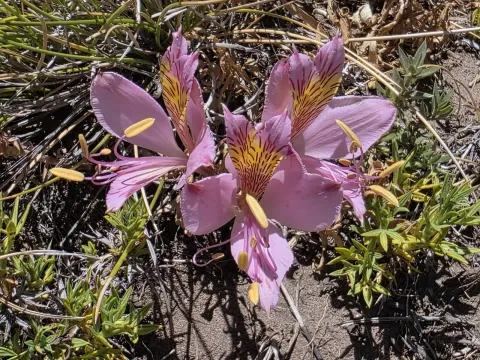
Alstroemeria
Alstroemeria L.
Alstroemeria (Alstroemeria L.), commonly known as the Peruvian lily, belongs to the Alstroemeriaceae family. In commercial production, it is primarily propagated vegetatively through rhizome division to maintain the desired characteristics of the cultivar.
What the section contains
Alstroemeria
Seed propagation is possible but requires a specific stratification process at low temperatures to break seed dormancy and ensure successful germination rates.
Planting rhizomes in greenhouses is typically carried out in the spring. Ensuring the soil temperature is between 12 and 15 degrees Celsius is crucial for immediate root establishment.
The planting density is managed to optimize airflow and light penetration for every plant. Generally, 3 to 5 plants per square meter are utilized to balance yield with plant health.
Selecting robust, healthy rhizomes without signs of decay is the most important factor for establishing a long-term, productive flower bed in any commercial or hobby setup.
Alstroemeria is a light-demanding crop. To achieve optimal commercial quality, 12 to 14 hours of daily light exposure is required, often necessitating supplemental lighting in winter.
Maintaining a cool environment is vital. Day temperatures should range from 15 to 20 degrees Celsius, while nights should be kept around 10 to 13 degrees to stimulate bud formation.
Well-draining, loose soil with a pH level between 6.0 and 7.0 is ideal. The soil must provide excellent aeration to prevent root rot, which is the most common cause of crop failure.
Drip irrigation systems are the standard for Alstroemeria as they allow for precise moisture control, avoiding direct water contact with the foliage and reducing the risk of disease.
Regular fertilization with a balanced potassium-rich formula helps the plants produce sturdy stems and vibrant, long-lasting flowers suitable for the cut flower market.
Commercial yields for Alstroemeria typically range from 30 to 80 stems per square meter per year, heavily dependent on the chosen hybrid and the level of environmental control.
The economic lifespan of a greenhouse planting usually lasts up to 5 years. After this period, plant vitality decreases, and replanting is necessary to maintain profitable yield levels.
Environmental stability is key to yield consistency. Sudden spikes in temperature can lead to bud drop, which significantly reduces the quality and marketability of the harvest.
Advanced hybridization has resulted in varieties that are more resilient to common stressors and capable of nearly year-round production in high-tech greenhouse environments.
Successful management involves maximizing the growth of new stems by removing older, unproductive ones during the harvest process, thereby ensuring a continuous supply of flowers.
Root rot, including Fusarium and Phytophthora, poses the most significant threat to Alstroemeria. These pathogens thrive in waterlogged soil conditions and high-humidity environments.
Pests like spider mites and thrips are persistent problems. They proliferate rapidly in dry, warm greenhouse conditions and can cause severe damage to leaves and underdeveloped buds.
Effective management requires rigorous sanitation practices, including soil sterilization before planting and careful monitoring for early signs of disease or pest infestation.
Integrated Pest Management (IPM) strategies, combining biological controls and targeted applications of pesticides, are highly recommended to keep populations under control safely.
- Maintain proper greenhouse ventilation to lower ambient humidity.
- Remove any infected plant tissue immediately to prevent spore spread.
- Use quality growing media to avoid introducing soil-borne pathogens.
Harvesting Alstroemeria is done by pulling the stems from the base of the plant. This method encourages the plant to trigger the growth of new replacement stems rather than leaving stubs.
The optimal harvest stage occurs when the first two or three flower buds in the cluster have begun to open, ensuring the longest vase life for the end customer.
Immediately after harvest, stems should be hydrated in a solution with flower preservatives and placed in a cooling room to remove field heat and stabilize the flowers.
Grading is based on stem length, the number of buds per inflorescence, and the intensity of the color, which directly determines the price point on the wholesale market.
Proper packaging ensures the delicate blooms are protected during transportation, allowing the flowers to arrive in pristine condition, regardless of the transit distance.