
Alstroemeria zoellneri
Alstroemeria zoellneri
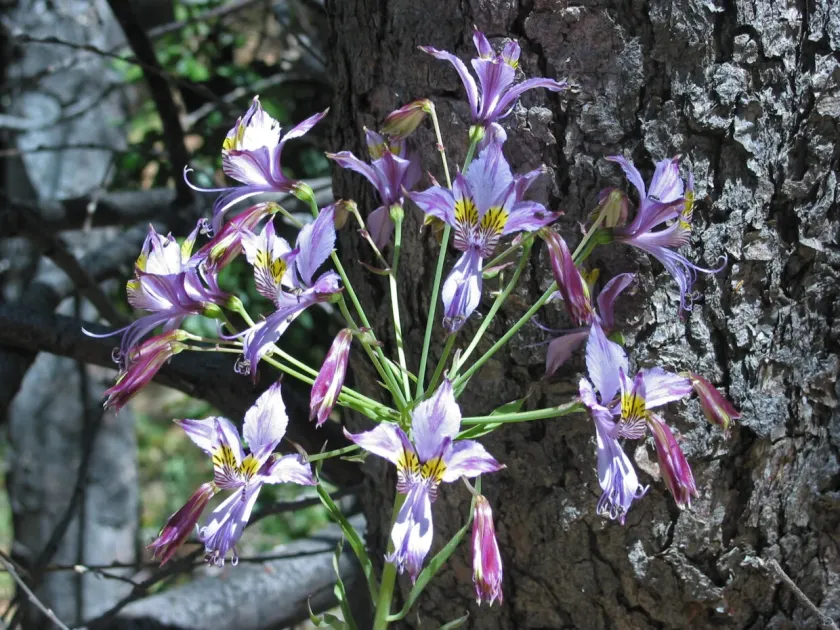
Description
Growing requirements
Alstroemeria zoellneri is a perennial herbaceous plant belonging to the Alstroemeriaceae family. Native to the mountainous regions of Chile, this species has become a valuable crop in the ornamental horticulture sector due to its unique aesthetic characteristics.
The plant requires well-drained, nutrient-rich soil with a slightly acidic to neutral pH. Proper soil aeration is crucial for the health of its fleshy, tuberous roots, which are sensitive to waterlogging and low oxygen levels.
Climate-wise, it prefers moderate temperatures. It thrives in conditions ranging from 15 to 22 degrees Celsius. It requires sufficient sunlight to promote photosynthesis, though excessive direct heat in summer may necessitate shading in greenhouse environments.
Irrigation practices must be precise to maintain consistent soil moisture without triggering root rot. In commercial farming, automated drip irrigation systems are commonly used to provide exact water delivery to the rhizosphere.
Maintenance involves routine division of rootstocks during the dormant phase. Proper spacing is essential to ensure adequate airflow, which prevents humidity build-up and promotes uniform development of flowering stems.
Main diseases and pests
The most common pathological issues in Alstroemeria zoellneri cultivation are fungal diseases such as Rhizoctonia and Pythium. These occur primarily due to poor drainage and inadequate sanitation of the growing substrate.
Pest management is focused on controlling thrips, which are known to transmit viruses that cause severe foliage deformation. Consistent monitoring and the use of yellow sticky traps are essential practices for early detection.
Aphids pose a recurring threat by damaging succulent young tissues and acting as vectors for plant diseases. Integrated pest management (IPM) strategies, including biological control, are highly recommended for sustainable production.
Spider mites can become a major concern in low-humidity conditions. Controlling these pests requires a combination of humidity management and the targeted application of acaricides to break their reproductive cycle.
Sanitation measures, including the disposal of infected plant material and the disinfection of tools, remain the cornerstone of disease prevention. Maintaining a healthy climate inside the growing facility is the best defense against major outbreaks.