
Alstroemeria huemulina
Alstroemeria huemulina
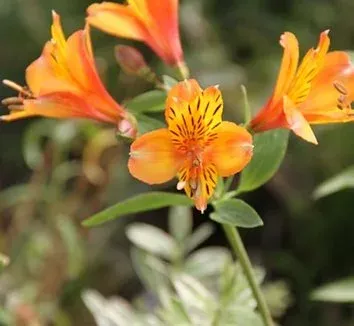
Description
Sowing dates
Alstroemeria huemulina is a distinct member of the Alstroemeriaceae family, native to the high-altitude Andean regions of Chile. This plant has evolved to thrive in rocky, well-drained soils, exhibiting high resilience to specific alpine microclimates.
Propagation of this species is typically achieved through seeds which require cold stratification to mimic natural mountain winters. This step is crucial for breaking seed dormancy and ensuring successful germination under nursery conditions.
Vegetative propagation involving the careful division of fleshy rhizomes is preferred for maintaining genetic consistency. When dividing, it is imperative to ensure that each segment retains viable growth nodes to prevent tissue decay.
Planting depth should be kept between 10 to 15 cm to allow the rhizomes to develop properly without excessive pressure from the soil. The substrate must be highly porous, often consisting of a mix of sand, perlite, and organic peat.
Young seedlings require gentle handling during transplanting. The root system is extremely brittle, and any mechanical damage can lead to opportunistic fungal infections, which are common in the early development stages of the plant.
Growing requirements
The climate requirements for Alstroemeria huemulina are centered on maintaining cool, stable temperatures. This plant performs best in environments where nights are significantly cooler than days, reflecting its natural Andean habitat.
Soil composition must prioritize drainage above all else. In cultivation, the use of raised beds or specialized containers with drainage holes is recommended to prevent water accumulation, which is the primary cause of root failure.
Lighting should be bright but filtered. In greenhouse settings, light intensity should be managed with shading systems, especially during peak solar hours, to prevent leaf scorch and maintain leaf turgor.
Irrigation practices must be precise. Watering should be applied directly to the base of the plant to avoid wetting the foliage, as stagnant water on the leaves can lead to the development of fungal pathogens like Botrytis.
Nutrient management involves balanced NPK fertilizers with a focus on phosphorus to support root strength and blooming. Avoid excessive nitrogen, which encourages leggy, weak stems that are prone to lodging.
Main diseases and pests
Root rot, primarily caused by Pythium and Phytophthora species, poses the most significant threat to Alstroemeria huemulina. These pathogens thrive in waterlogged, poorly aerated soil conditions and can destroy an entire collection rapidly.
Spider mites are a major pest problem, particularly in dry and poorly ventilated indoor environments. These pests feed on cell sap, leading to chlorosis and potential plant death if left untreated by acaricides.
Aphids are another persistent nuisance, congregating on the soft tissues of new shoots and flower buds. They not only extract nutrients but can also transmit systemic viral infections that are difficult to eradicate.
Thrips can cause significant damage to the flowers, resulting in distorted blooms and reduced market value. Regular monitoring and the application of integrated pest management (IPM) strategies are essential for maintaining plant health.
Disease prevention is anchored in sanitation protocols. Removing dead plant material, ensuring proper airflow between plants, and maintaining sterile tool hygiene significantly reduce the incidence of both viral and fungal outbreaks.