
Alstroemeria pelegrina
Alstroemeria pelegrina
Description
Sowing dates
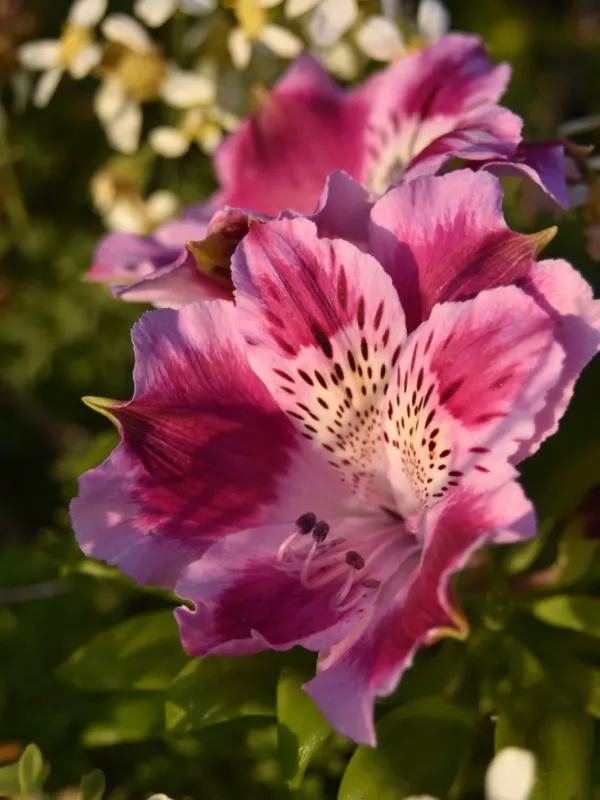
Alstroemeria pelegrina, commonly known as the lily of the Incas, belongs to the Alstroemeriaceae family. It is a perennial plant primarily valued in professional floriculture for its long-lasting and aesthetically appealing flowers.
Propagation is predominantly achieved through rhizome division. This method ensures that the physiological traits of the plant are preserved, allowing for consistent growth cycles and flower production in a controlled environment.
Spring planting is recommended when soil temperatures rise consistently, allowing the roots to establish a strong base before the peak summer season. Proper spacing is essential to ensure adequate airflow between plants.
Seed propagation is less common for commercial purposes due to dormancy requirements. However, it remains a vital technique for research and the development of new cultivars under greenhouse conditions.
During the planting process, it is critical to ensure that the rhizomes are placed in a nutrient-rich, well-draining medium. Avoiding excessive depth during burial is important to promote early shoot emergence.
Growing requirements
Alstroemeria pelegrina thrives in cool to moderate climates. It is highly sensitive to extreme heat, which can lead to flower abortion and the browning of foliage, particularly in confined greenhouse spaces.
The soil must be well-drained and slightly acidic. Because the roots are fleshy and prone to rot, ensuring that irrigation does not lead to waterlogging is the most critical aspect of daily management.
Light intensity is a significant factor in bloom development. While the plant requires plenty of indirect sunlight for optimal photosynthesis, direct, intense sun can burn the leaves and decrease the bloom duration.
Regular monitoring of soil moisture is essential. Irrigation systems should be calibrated to maintain consistent humidity without reaching saturation, as the roots require significant oxygen levels to function properly.
Fertilization regimes should focus on a balanced NPK ratio during the vegetative stage, transitioning to higher potassium content as the plant approaches the reproductive and flowering phases.
Main diseases and pests
Thrips are perhaps the most damaging pests for Alstroemeria pelegrina. They cause severe damage to buds and developing flowers, often resulting in deformed petals and a total loss of commercial value.
Spider mites frequently target the plant in dry, warm conditions, manifesting as tiny webbing and yellowing leaves. Consistent monitoring and misting can help deter mite populations from establishing themselves.
Botrytis, or grey mold, is a primary fungal threat that thrives in humid, stagnant air. Proper ventilation and airflow are the most effective non-chemical ways to minimize the risk of infection.
Fusarium wilt can devastate a crop by attacking the root system, causing rapid decline. Preventive measures include soil sterilization and ensuring the use of disease-free propagation material.
Effective pest management involves integrated strategies that combine biological controls with targeted chemical interventions, ensuring that crop safety remains high during the entire growth cycle.
Harvesting
Harvesting should be performed when the first two or three flower buds show color but are not fully open. This ensures the longest vase life for the final consumer and maintains the quality of the product.
Rather than using scissors, many growers prefer to pull the stem from the base of the rhizome. This technique avoids the accumulation of decaying stem material and encourages stronger growth for subsequent flushes.
Post-harvest care involves immediate cooling and placement in clean water with a floral preservative. This treatment helps the stems regain turgor after the stress of the harvest process.
Total yield is directly correlated with the light quality and the consistency of the irrigation program throughout the growing season. High-yield systems often rely on supplemental lighting during winter months.
After the harvest season is complete, the plants enter a period of rest. During this time, growers should reduce irrigation and cease heavy fertilization to allow the rhizomes to recharge before the next cycle.