
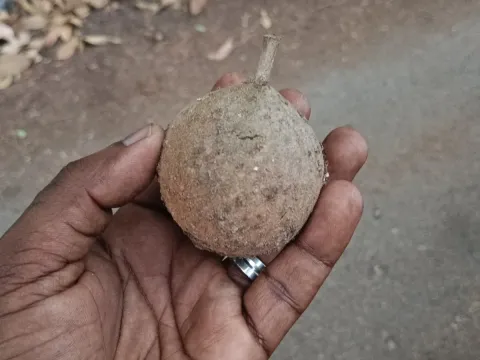
Hydnocarpus
Hydnocarpus
Propagation of Hydnocarpus is primarily achieved through seeds, which exhibit recalcitrant behavior and must be planted immediately after extraction from the fruit.
What the section contains


Hydnocarpus
Seeds are sown in well-drained, sandy-loam potting mixes, ensuring a consistent moisture level to facilitate rapid germination under tropical conditions.
Germination typically occurs within a few weeks when temperatures remain between 25 and 30 degrees Celsius, requiring a sheltered environment.
Once seedlings develop their first true leaves, they are transferred to individual deep pots to accommodate taproot development and prevent root circling.
Field planting is ideally scheduled at the onset of the monsoon season to allow seedlings to establish deep root systems before the onset of any potential dry periods.
Hydnocarpus is a tropical evergreen tree belonging to the family Salicaceae, native to the humid rainforests and lowland areas of South and Southeast Asia.
The crop requires a humid tropical climate with high annual rainfall and prefers rich, deep, and well-drained soils to thrive and reach maturity.
It performs best in locations that provide protection from strong winds and intense direct sunlight, especially during the early stages of plant development.
Hydnocarpus cannot tolerate frost or prolonged chilling temperatures, making it strictly suitable for equatorial and tropical agricultural zones.
Soil pH should ideally be slightly acidic to neutral, with high organic content to support the vigorous growth of the tree's woody structure.
The primary economic output of Hydnocarpus is the fatty oil extracted from its seeds, which is historically significant for treating various skin conditions.
Trees begin to produce fruit after several years of growth, with yields increasing steadily as the canopy expands and the root system stabilizes.
Harvesting frequency depends on the specific species, but most produce fruits that ripen asynchronously, requiring multiple collection intervals during the season.
Yield efficiency is maximized through proper spacing, ensuring that individual trees have adequate sunlight exposure to fuel fruit production cycles.
Ongoing research focuses on selecting high-oil-content genotypes to improve the commercial viability of Hydnocarpus plantations globally.
Hydnocarpus is generally robust, but like many tropical trees, it is susceptible to fungal infections in the roots if waterlogging occurs in the plantation.
Leaf spot diseases can manifest during periods of extreme humidity and low airflow, necessitating canopy management and pruning to maintain air circulation.
Pest management involves monitoring for leaf-feeding insects and scale, which can occasionally impact the vitality of younger, less established trees.
Maintaining soil hygiene is critical to preventing the spread of pathogens that typically affect the base and root collar of trees in humid environments.
- Root rot (Phytophthora or Pythium species).
- Fungal leaf spots during high rainfall.
- Infestation by sap-sucking insects on young shoots.
Harvesting involves the manual collection of mature fruits from the tree branches or gathering fallen fruits from the ground under the tree canopy.
Collected fruits are processed immediately by removing the pulp, washing the seeds, and ensuring they are thoroughly cleaned for the oil extraction stage.
Sun-drying the seeds on raised platforms is the standard method, which helps lower moisture content to prevent mold growth and fungal contamination.
Storage of the dried seeds requires cool, dry, and ventilated conditions to preserve the chemical integrity of the chaulmoogra oil within the kernels.
Standardized packaging is recommended for transport to ensure that the seeds do not suffer physical damage or moisture re-absorption during transit.