
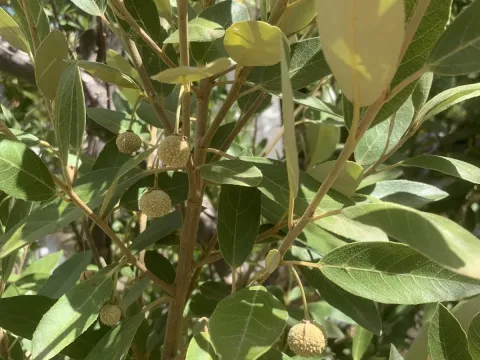
Kiggelaria
Kiggelaria
Sowing of Kiggelaria seeds should be performed in the spring, immediately after harvesting, due to their limited viability when stored. A light, well-draining soil mix enriched with compost and sand provides the ideal environment for successful germination.
What the section contains

Kiggelaria
It is recommended to soak the seeds in lukewarm water for 24 hours prior to planting to help soften the seed coat and initiate the sprouting process. Seeds should be planted at a shallow depth of about 0.5 to 1 cm, maintaining consistent moisture levels throughout.
The germination period is typically irregular and may span several weeks or even months, requiring patience and stable temperature conditions. Once seedlings develop a second pair of true leaves, they should be transplanted into individual containers to allow for root development.
A hardening-off phase is essential before moving young trees to their permanent location to ensure they are adapted to outdoor environmental factors. Most saplings are ready for transplanting into the ground after one or two years of nursery growth.
The ideal planting time is during the early growing season when the soil temperature has risen, providing the necessary conditions for rapid establishment of the root system.
Kiggelaria thrives in locations with partial to full sunlight, demonstrating significant adaptability to various lighting conditions. It prefers deep, nutrient-rich, and loamy soils with a neutral or slightly acidic reaction for optimal development.
While the tree shows notable drought tolerance once mature, regular watering is crucial during the establishment phase and periods of high summer heat. Adequate drainage is essential to prevent waterlogging, which can be detrimental to the health of the root system.
The species grows well in temperatures ranging from 15 to 28 degrees Celsius, though it exhibits moderate frost resistance. In cooler climates, providing winter shelter for young trees is a standard protective measure to prevent tissue damage.
Pruning is an important horticultural practice for maintaining a balanced canopy and stimulating new growth. It is best performed in the late winter to remove dead wood and open up the structure for better air circulation.
Fertilization with balanced organic matter in the early spring supplies the plant with essential nutrients, promoting healthy growth and vigor throughout the season.
The primary pest affecting Kiggelaria is the garden acraea butterfly (Acraea horta). The larvae of this species can consume large quantities of foliage, which can potentially defoliate trees if not monitored regularly.
Fungal infections, such as powdery mildew or leaf spot, may occur in conditions of high humidity and poor ventilation within the canopy. Regular inspection and the application of fungicides can effectively prevent the development of these issues.
Aphids and spider mites may infest the tree during hot, dry spells, causing leaf yellowing and reduced vitality. Targeted use of insecticidal soap or specialized sprays is recommended to manage these infestations without harming the environment.
Root rot is a significant risk in poorly drained soils or areas with excessive moisture, making drainage control a top priority. Maintaining clean surroundings beneath the tree canopy helps prevent the buildup of pathogens that can cause fungal diseases.
Mechanical damage from rodents can jeopardize the survival of young saplings, necessitating the use of protective wire mesh or tree guards during the first stages of the tree's life cycle.