
Hydnocarpus octandrus
Hydnocarpus octandrus
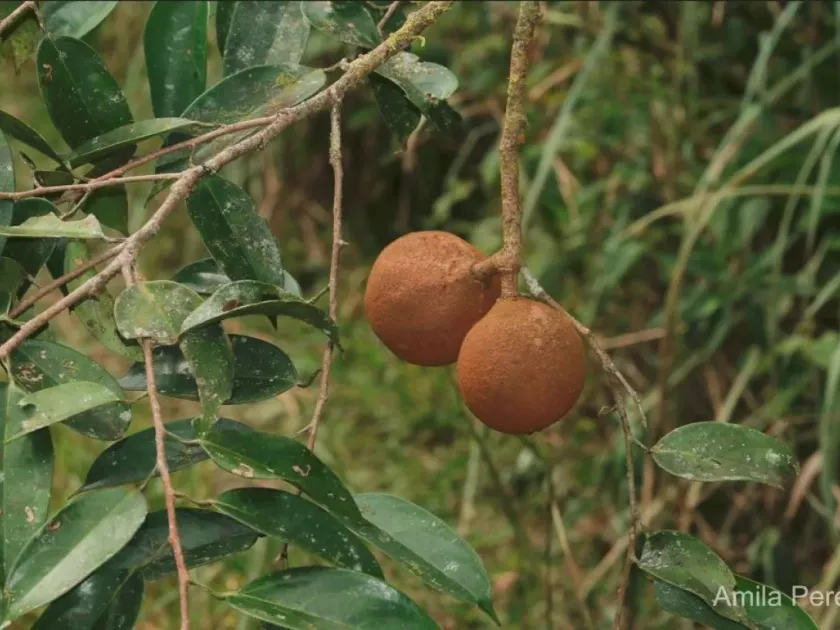
Description
Growing requirements
Hydnocarpus octandrus is a prominent species within the Achariaceae family, native to the tropical forests of Sri Lanka. This evergreen tree is highly valued for its seeds, which are the source of specialized oil used in traditional and modern medicine.
The plant requires a strictly tropical environment with high atmospheric humidity and stable warm temperatures throughout the year. It does not tolerate frost or prolonged drought, necessitating careful site selection in agricultural planning.
Regarding soil requirements, the species thrives in deep, well-draining soils rich in organic matter. Proper aeration is crucial to prevent root rot, which is a common failure point in tropical arboriculture when soil management is neglected.
Botanically, it features leathery, alternate leaves and produces fruit containing numerous seeds. These seeds are harvested for their therapeutic oil content, which is characterized by the presence of chaulmoogric acid, a historical remedy for skin conditions.
Modern agrotechnique for this tree focuses on sustainable forest-farming models, ensuring that the tree grows under partial shade in its juvenile stage to mimic its natural understory habitat.
Main diseases and pests
Fungal pathogens represent the most significant threat to Hydnocarpus octandrus, particularly in dense plantations where airflow is restricted. Preventive pruning and management of canopy density are essential to mitigate these risks.
Various insect pests, including leaf-mining beetles and sap-sucking insects, may cause significant stress to the trees. Integrated Pest Management (IPM) strategies are recommended to keep damage below economic thresholds.
Root system issues often arise from soil compaction or improper drainage. Ensuring that the rhizosphere remains well-oxygenated is vital for the long-term health and productivity of the tree.
Nutrient deficiencies can occur if the soil pH is not maintained within the optimal range. Regular soil testing helps in fine-tuning fertilization schedules to ensure steady growth.
Encroachment by aggressive invasive species can also threaten young seedlings. Establishing clear buffer zones around the planting sites is a necessary step for plantation security.