
Scottellia
Scottellia
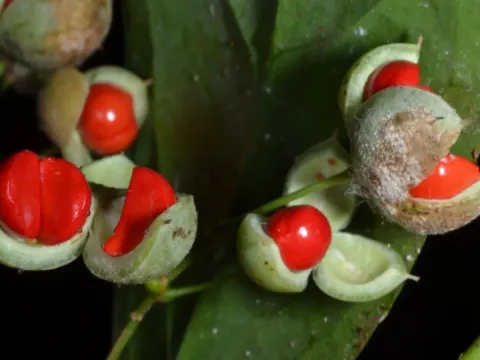
Scottellia is a genus of evergreen trees belonging to the Salicaceae family. These trees are native to the tropical rainforest regions of Central and West Africa, where they form part of the upper canopy layers.
What the section contains

Scottellia
For successful growth, Scottellia requires a warm, tropical climate. The plants thrive in environments with consistent high temperatures and high annual rainfall, ensuring that the soil remains moist throughout the year.
Regarding soil requirements, the species performs best in deep, fertile, and well-drained loams. Excessive moisture accumulation in the root zone must be avoided to prevent fungal infections and root rot, which are significant risks for this genus.
Light intensity is a critical factor during the initial growth stages. While juvenile trees can tolerate some shade, they require canopy gaps or managed spacing to ensure steady vertical growth and the formation of a straight, high-quality trunk.
Good silvicultural practices involve careful thinning of plantations. This practice promotes faster growth rates and ensures that resources are allocated to the healthiest individuals, maximizing the quality of the harvested timber over time.
The primary economic value of Scottellia is its timber, commonly marketed in the trade as 'odoko'. It is appreciated for its uniform texture, moderate density, and ease of machining, making it ideal for various industrial applications.
Typical uses include high-quality furniture components, cabinetry, and interior veneer. Its ability to take finishes well makes it a preferred choice for manufacturers looking for versatile and reliable African timber sources.
Harvesting is typically planned on a rotation basis. Given the slow natural regeneration, plantation-based forestry is increasingly promoted to provide a sustainable supply of wood while preserving natural tropical ecosystems.
Post-harvest processing involves careful seasoning. Because the timber can be prone to movement if dried too quickly, industrial kiln drying protocols are strictly followed to stabilize the moisture content before the wood enters the market.
Ongoing research into the species includes assessments of its ecological role within its native range, focusing on how sustainable harvesting can coexist with the biodiversity conservation of the African tropical forest habitat.