
Achimenes erecta
Achimenes erecta
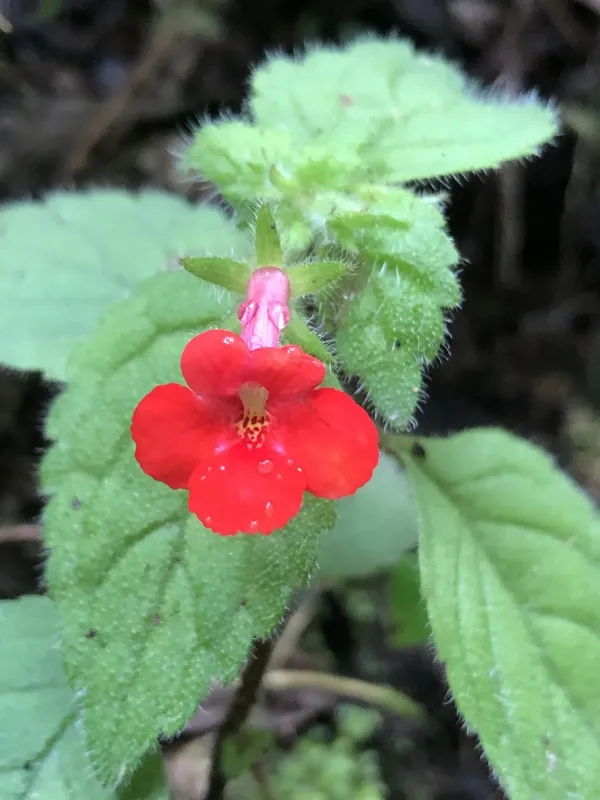
Description
Growing requirements
Achimenes erecta is a perennial herbaceous plant belonging to the Gesneriaceae family. Native to tropical regions of Central and South America, it is highly valued for its striking, vibrant flowers and its ability to thrive in shaded, humid environments.
Botanically, this species is distinguished by its upright stems and deep red or crimson blossoms. A defining biological characteristic of this plant is its rhizome system — small, scaly structures that act as nutrient storage organs, allowing the plant to enter a dormant phase during unfavorable growth conditions.
Cultivation requires bright but indirect lighting, as direct sunlight can easily cause leaf scorch. The temperature should be consistently maintained between 20°C and 25°C. Stability is key, as the plant is sensitive to cold drafts and sudden drops in ambient temperature.
The substrate must be light, airy, and well-draining, with a slightly acidic pH level. A mixture composed of peat moss, perlite, and high-quality leaf mold is recommended to ensure that the rhizomes have enough oxygen and do not sit in excessive water, which is critical for healthy development.
Agronomic care involves systematic watering with tepid water, ensuring the top layer of the soil dries out slightly before the next irrigation. Fertilization with balanced liquid nutrients is essential during the growing season, while complete cessation of watering is required during the winter dormancy period to allow the rhizomes to rest.
Main diseases and pests
Common pests include spider mites and aphids, which frequently infest the plant under conditions of low relative humidity. These pests feed on sap, causing yellowing, deformation of leaves, and premature bud drop if left uncontrolled.
The most significant pathological threats are fungal and bacterial rots, primarily affecting the rhizomes. These issues are almost exclusively caused by overwatering or poor drainage, leading to a breakdown of tissue that rapidly spreads through the root system.
Management of pest populations relies on the application of systemic insecticides that provide long-term protection. Frequent monitoring of the plant foliage, especially the undersides of leaves, is necessary to catch infestations early and prevent damage to the flowering spikes.
Disease prevention is prioritized through strict soil management and the use of sterile growing media. Ensuring good airflow around the base of the plant helps to inhibit the growth of pathogens and maintains a healthy microclimate for the rhizomes.
In cases of advanced infection, surgical removal of affected tissue and repotting in clean, fungicide-treated substrate may save the plant. Maintaining optimal water hygiene and using clean irrigation practices are the best strategies to avoid persistent rot issues throughout the growing season.