
Hydnocarpus anthelmintica
Hydnocarpus anthelmintica
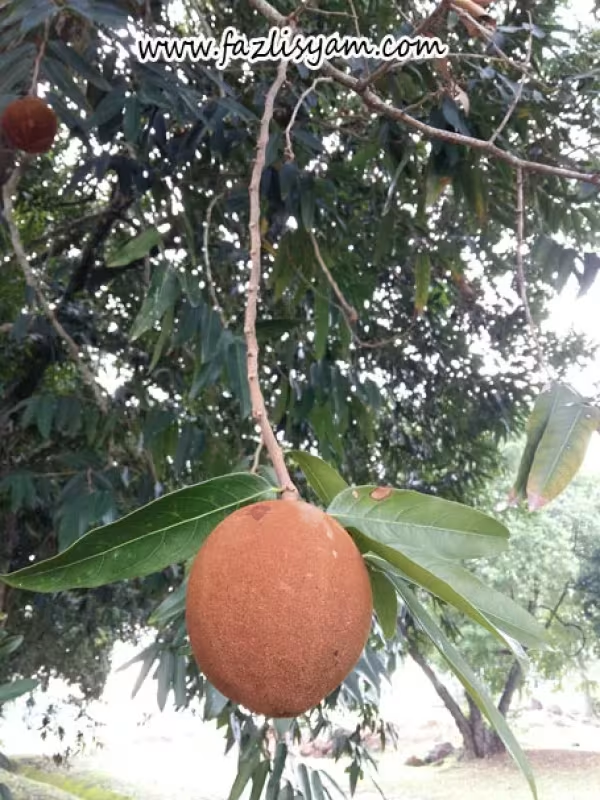
Description
Growing requirements
Hydnocarpus anthelmintica belongs to the Salicaceae family. It is a robust, evergreen tropical tree that thrives in the humid and warm environments characteristic of Southeast Asia, specifically in regions like Thailand and Vietnam.
The tree requires a tropical climate with high humidity and stable temperatures throughout the year. It lacks cold tolerance and should never be exposed to freezing conditions, which limits its commercial cultivation to strictly tropical latitudes.
Regarding soil requirements, the plant prefers fertile, deep, and well-drained loams. Excessive soil moisture can cause root rot, so careful site selection that ensures proper water drainage is vital for successful establishment.
Agrotechnical practices focus on early-stage shade management for seedlings and regular irrigation during dry spells. As the tree matures, it becomes more resilient, but maintaining soil fertility through organic amendments is necessary for consistent fruit production.
Pruning is recommended to manage canopy density and facilitate harvest. Regular monitoring of the plantation is essential to ensure that the trees do not suffer from nutrient deficiencies or physical damage from strong tropical winds.
Harvesting
The economic value of Hydnocarpus anthelmintica is primarily concentrated in its seeds. These seeds are a rich source of fatty acids, including chaulmoogric acid, which have been historically utilized for their therapeutic properties.
Harvesting usually involves manual collection of mature fruits from the tree. Because the trees can grow quite tall, specialized equipment or climbing techniques may be required to reach fruits in the upper canopy during the harvest season.
Post-harvest processing involves de-pulping the fruits to extract the seeds. The seeds must then be dried in controlled conditions to prevent mold growth and ensure that the oil extraction process yields the highest possible quality of fatty acids.
The extracted oil, known commercially as a type of chaulmoogra oil, has a long-standing reputation in traditional medicine as an effective antihelminthic agent and for treating various dermal conditions.
Quality control is crucial for the final product. Proper storage in cool, dark environments is required to prevent oxidation, as the chemical integrity of the oils is sensitive to light, heat, and air exposure.