
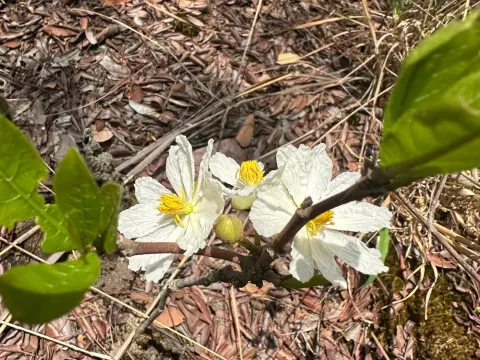
Caloncoba
Caloncoba
Caloncoba is a genus of evergreen trees and shrubs belonging to the Salicaceae family. These plants are native to tropical Africa, where they typically thrive in the understory of moist lowland forests and forest edges.
What the section contains

Caloncoba
The climate requirement for Caloncoba is strictly tropical, characterized by consistent warmth and high humidity levels. The plant does not tolerate frost or prolonged drought, which can significantly damage its growth and reproductive potential.
Optimal soil conditions include fertile, well-draining, and slightly acidic to neutral soils. Because the plant is native to tropical forest environments, it performs best in soils rich in organic matter and forest litter.
Botanically, Caloncoba is recognized by its alternate, simple leaves and showy, white or pale-colored flowers. The fruits are typically woody, dehiscent capsules that contain numerous seeds rich in specialized fatty acids.
The primary economic use of Caloncoba lies in its seed oil, which is traditionally used in medicinal applications. The oil is notable for its specific chemical composition, which historically made it a source of treatment for dermatological conditions.
The primary threats to Caloncoba include fungal pathogens that thrive in high humidity, often manifesting as leaf spot diseases and bark cankers if the canopy ventilation is inadequate.
Pests such as various caterpillars and sap-sucking insects represent a major concern, as they can cause significant foliage damage, which slows down the growth of young trees.
Managing the plant health requires careful spacing to ensure that air circulates effectively through the plantation, which naturally reduces the risk of fungal outbreaks.
Regular orchard inspections are essential, particularly during the transition between wet and dry seasons, when pest activity is most pronounced.
Integrated pest management strategies focusing on promoting beneficial predator insects are recommended over synthetic pesticide application to preserve the quality of the seed harvest.