
Hydnocarpus venenatus
Hydnocarpus venenatus
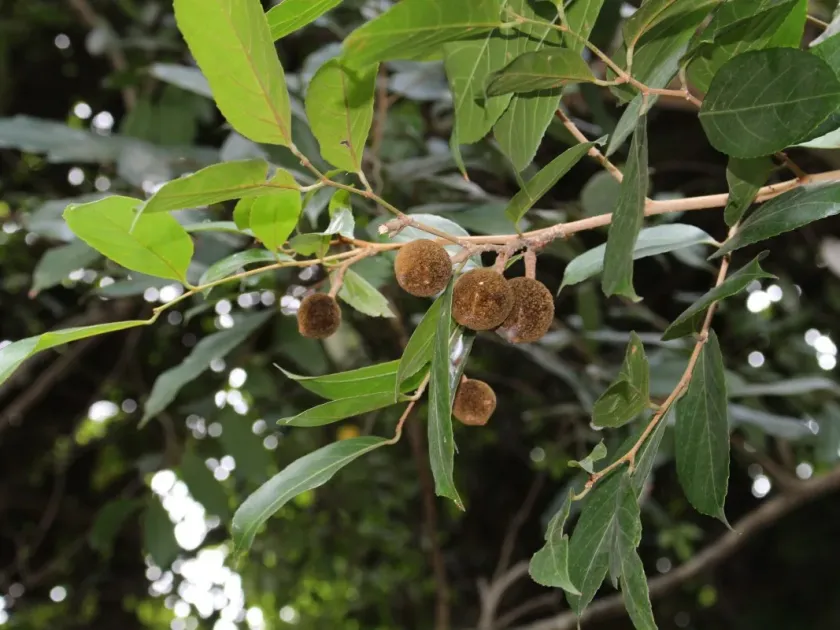
Description
Growing requirements
Hydnocarpus venenatus is a tropical evergreen tree belonging to the Achariaceae family. It is native to moist tropical regions, where it thrives in environments characterized by high humidity and significant annual rainfall patterns.
The tree requires deep, fertile, and well-drained soils to support its extensive root system. While it prefers neutral to slightly acidic soil, it is highly sensitive to waterlogging, which can cause severe root health issues and inhibit growth.
Optimal growth conditions involve warm temperatures ranging between 22 and 30 degrees Celsius. The species does not tolerate frost, and even minor temperature drops can negatively affect the physiological processes and fruit production of the tree.
Agrotechnical practices emphasize shading for young saplings to mimic the natural forest floor conditions. As the tree matures, it becomes more tolerant to light but continues to benefit from protection against strong, drying winds in tropical habitats.
Fertilization regimes focus on organic amendments to improve soil structure and nutrient availability. Regular maintenance, including pruning to manage tree height and improve light penetration into the canopy, is essential for high-yield plantations.
Harvesting
The economic value of the tree is primarily derived from its seeds, which are the source of chaulmoogra oil. Harvesting takes place when the fruits reach full maturity, which is indicated by a specific color change in the outer rind.
Post-harvest handling involves the extraction of seeds from the fruit pulp. Due to the presence of cyanogenic compounds in the plant material, workers must wear gloves and protective gear to avoid skin contact and inhalation of hazardous dust.
Drying the seeds is a critical stage in the value chain. Controlled drying prevents the degradation of fatty acids, such as hydnocarpic and chaulmoogric acids, which are the primary active ingredients in the pharmaceutical-grade oil.
Cold pressing is the preferred method for oil extraction. This mechanical process ensures that the chemical integrity of the oil is preserved, meeting the requirements for its use in dermatological treatments and industrial applications.
Sustainability in harvesting involves selective picking rather than mass clearing. By implementing a systematic rotation, growers can ensure consistent yields while maintaining the health of the individual trees over long-term production cycles.