
Gynocardia
Gynocardia
Gynocardia is a genus of evergreen trees classified under the family Achariaceae. The primary species, Gynocardia odorata, is indigenous to the tropical and subtropical regions of Southeast Asia, primarily spreading across India, Nepal, and parts of Myanmar within dense forest environments.
What the section contains

Gynocardia
The cultivation of Gynocardia requires a warm, humid tropical climate with consistent rainfall throughout the year. It thrives best in fertile, well-draining soils rich in organic matter. As an understory tree, it performs best in areas providing partial shade, particularly during its early growth stages.
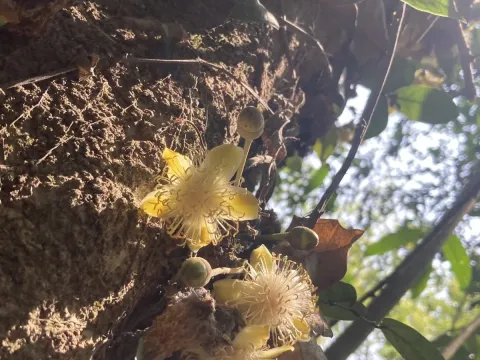
Botanically, the tree is noted for its fragrant flowers that often grow directly on the woody trunk or older branches. Its fruit is a large, spherical capsule that contains numerous seeds embedded within a pulp, which serves as the primary component for further industrial extraction.
Historically, Gynocardia has been economically significant due to the oil derived from its seeds. This oil has been utilized in traditional medicine practices in Asia, often associated with the treatment of various dermal conditions, though it is frequently studied alongside other related species.
Agricultural management for this species is currently limited as it is primarily wild-harvested. Successful propagation requires careful attention to soil moisture levels and light exposure, as the plant is sensitive to direct, harsh sunlight and arid conditions which can stunt its development.
The primary threats to Gynocardia include fungal infections of the root system, which are often exacerbated by poor drainage and waterlogged conditions. Additionally, various borers and tropical insect pests can infest the fruit capsules, significantly reducing the yield and viability of the harvested seeds.