
Hydnocarpus kurzii
Hydnocarpus kurzii
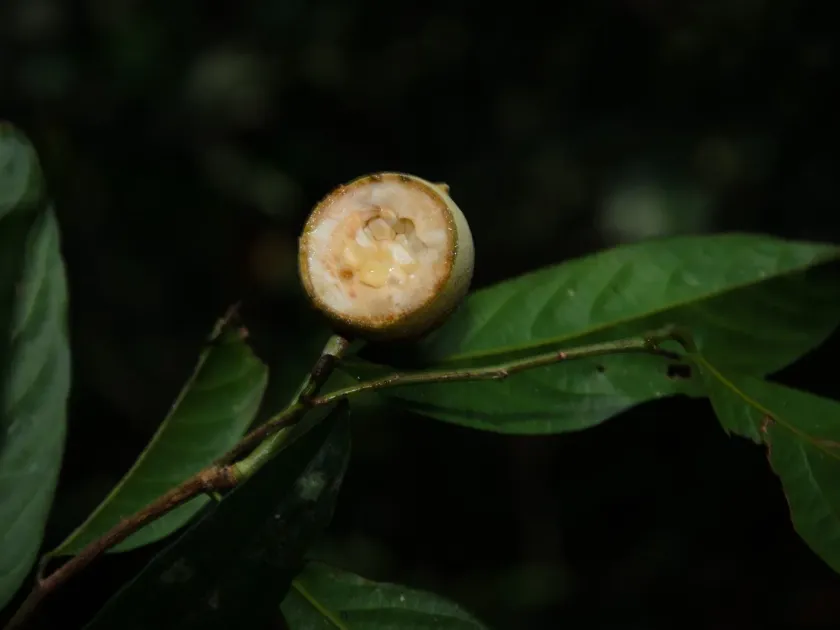
Description
Growing requirements
Hydnocarpus kurzii is an evergreen tree belonging to the Achariaceae family, native to the tropical rainforests of Southeast Asia. It thrives in regions characterized by high humidity and warm temperatures throughout the year.
The tree requires well-drained, fertile soil to ensure healthy root development. It is essential to avoid sites prone to waterlogging, as the species is sensitive to root rot and soil-borne pathogens common in humid tropical zones.
Climate conditions must remain stable, as the plant prefers an environment with high annual rainfall and minimal seasonal variations. It is typically found at elevations ranging from sea level up to several hundred meters.
Botanically, the tree features dense foliage with glossy leaves and produces fruits containing numerous seeds rich in lipids. Proper spacing is necessary in cultivation to allow sufficient sunlight penetration into the lower canopy.
Propagation is primarily achieved through fresh seeds, as their viability decreases rapidly after storage. Successful cultivation relies on planting techniques that mimic the tree's natural habitat requirements regarding soil moisture and shade levels.
Harvesting
The primary economic value of Hydnocarpus kurzii lies in its seeds, which are the source of traditional chaulmoogra oil. Harvesting takes place when the fruit matures to ensure the highest quality of oil extraction.
The harvesting process requires manual labor, as the fruits must be selected based on their maturity stage to optimize the oil content. It is vital to prevent physical damage to the seeds during the post-harvest period.
Once harvested, the seeds are cleaned and processed to extract the oil, which contains specific fatty acids such as chaulmoogric and hydnocarpic acids. These compounds are studied for their potential therapeutic applications.
Sustainable harvesting practices are encouraged to ensure the longevity of the trees and to preserve the ecosystem of the plantation areas. This approach helps maintain consistent yield levels over several harvest cycles.
Quality control during drying and storage is paramount, as improper moisture management can lead to fungal growth, severely degrading the therapeutic properties of the extracted oil.