
Hydnocarpus castanea
Hydnocarpus castanea
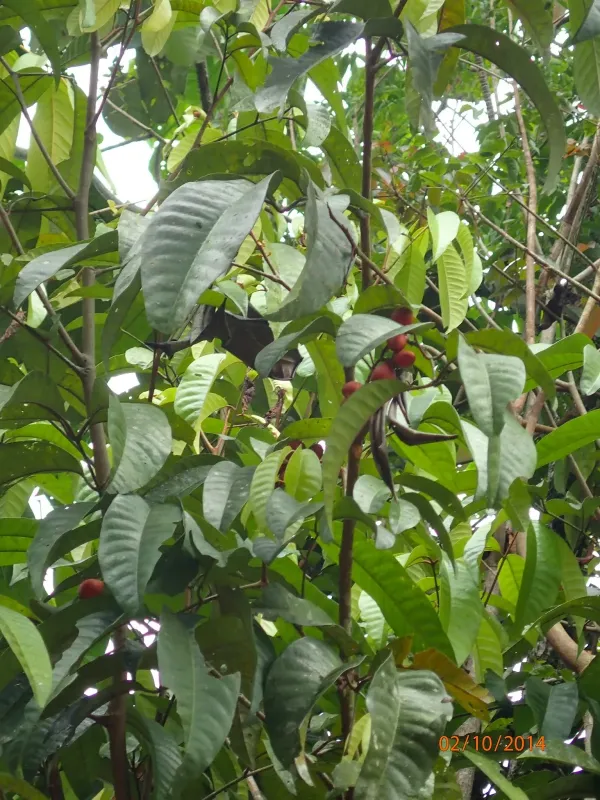
Description
Growing requirements
Hydnocarpus castanea is an evergreen tropical tree belonging to the Salicaceae family. In its natural habitat, it thrives in moist tropical forests characterized by high temperatures and consistent rainfall throughout the year.
The plant requires deep, well-drained loamy soils rich in organic matter for optimal growth. Providing a stable moisture level and protection from drying winds is essential to maintain the health and vigor of the trees in a cultivation setting.
The native range of this species covers regions of Southeast Asia, including Thailand and Malaysia. It is sensitive to cold, requiring temperatures to remain consistently above 18-20 degrees Celsius to support healthy vegetative development.
Agricultural practices involve careful mulching around the root zones to conserve soil moisture, especially during intervals between seasonal rains. Consistent irrigation management is a key factor in ensuring successful plantation yields.
The economic value of this crop is derived from its seeds, which contain oil rich in unique fatty acids. Historically, this oil has been utilized in the pharmaceutical industry and dermatology for treating various skin conditions.
Main diseases and pests
Like many tropical species, Hydnocarpus castanea is susceptible to fungal infections, particularly when trees are planted too closely, which reduces airflow. Constant humidity in dense canopy conditions can facilitate the development of root rots.
Various insect pests, such as weevils and certain types of caterpillars, may feed on the foliage and young shoots during peak growing seasons. Regular phytosanitary monitoring is necessary to keep insect populations under control.
Sucking insects pose a significant threat to productivity by damaging flower buds before fruit set occurs. Removing affected plant parts promptly is a standard practice to mitigate the spread of these pests across the orchard.
Poor soil aeration, common in heavy clay substrates, often weakens the tree's immune system, making it more vulnerable to soil-borne pathogens. Maintaining proper soil structure is vital for long-term tree resilience.
Effective disease prevention relies on maintaining adequate spacing between trees and monitoring soil pH levels. Adhering to professional agrotechnical standards is the best way to prevent widespread plant losses in large-scale operations.