
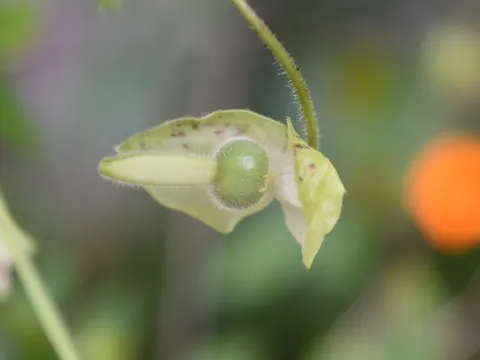
Thunbergia
Thunbergia Retz.
Thunbergia is a heat-loving culture typically grown as an annual in temperate climates. Seeds should be sown indoors in late February or March to ensure strong plants for the coming season.
What the section contains


Thunbergia
Use a loose, well-draining seed-starting mix. Cover the containers with plastic to maintain high humidity and keep the temperature between 22 and 25 degrees Celsius for optimal germination.
Once seedlings emerge, provide bright light and remove the cover. Prevent leggy growth by ensuring the plants receive plenty of indirect sunlight during their initial developmental stage.
Prick out the seedlings once the first pair of true leaves appears. This process encourages a more robust root system, which is vital for the plant's future vigor and climbing capability.
Transplant into the garden only after all frost risks have passed. Acclimatize the plants gradually over a week by exposing them to outdoor conditions before final planting.
Thunbergia belongs to the Acanthaceae family and is a genus of herbaceous perennial climbing plants native to tropical regions of Africa and Asia, widely appreciated for their beauty.
The plants thrive in full sun but require protection from harsh afternoon heat in extremely hot climates. Adequate lighting is the key factor for achieving profuse blooming throughout the summer.
Well-draining, nutrient-rich soil is essential for success. Thunbergia does not tolerate "wet feet," so ensure the potting mix or garden soil has enough organic matter to retain moisture without being waterlogged.
Regular fertilization is crucial for sustained growth. Apply a balanced liquid fertilizer every two weeks during the growing season to support the development of numerous flowers and lush foliage.
Since they are natural climbers, they require sturdy supports such as trellises, wires, or netting. Proper training of the vines allows them to create spectacular vertical displays in gardens.
Spider mites are the most common pest, especially in dry and warm conditions. They feed on the underside of leaves, causing yellowing and webbing, which can weaken the plant significantly.
Whiteflies can also infest Thunbergia. Regular inspection and the use of appropriate systemic insecticides can help manage these populations before they cause severe damage to the vines.
Root rot is a major threat caused by overwatering or poorly draining soil. To prevent this, always check the moisture level of the substrate before applying more water to the plant.
Powdery mildew may appear on the foliage if air circulation is poor or humidity levels are too high. Improving ventilation and using sulfur-based fungicides can effectively control this fungus.
Maintaining a clean environment and avoiding overhead watering helps minimize the risk of disease and keeps the plants healthy and productive throughout the flowering period.