
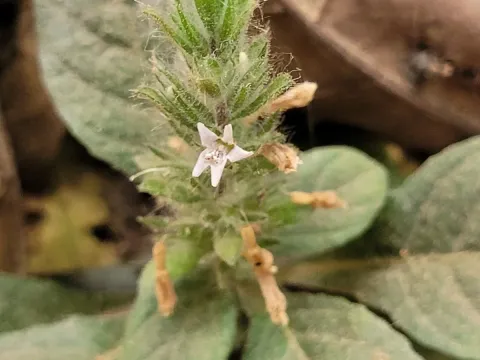
Staurogyne
Staurogyne
Staurogyne is a genus of perennial herbaceous plants belonging to the family Acanthaceae. Originally native to tropical regions of South America, particularly the Amazon basin, these plants are primarily found growing in riparian zones and humid areas where constant moisture is available for growth.
What the section contains


Staurogyne
The botanical structure of Staurogyne is characterized by its creeping or upright stems with opposite leaves. The foliage is typically lanceolate to elliptical, presenting a vibrant green color. Its robust root system allows it to anchor effectively in various substrates, supporting its adaptation to aquatic and semi-aquatic environments.
Successful cultivation requires a nutrient-rich substrate with a neutral to slightly acidic pH. The soil must provide sufficient aeration to prevent root rot while ensuring that essential nutrients are readily available for the plant's metabolic functions during its growth cycle.
Temperature management is critical for the development of Staurogyne. The plant thrives best in temperatures ranging from 22 to 28 degrees Celsius. Extreme fluctuations in temperature can lead to stunting, leaf drop, or a complete cessation of growth, affecting the overall vitality of the crop.
Light intensity significantly influences the morphology of Staurogyne. Under high-intensity lighting, the plant adopts a compact, bushy habit, which is highly desirable for aesthetic and commercial purposes. Insufficient lighting leads to elongated internodes and decreased foliage density.
The most common threats to Staurogyne involve fungal infections, which typically arise in conditions of poor water circulation or stagnant substrate conditions. These infections can manifest as necrotic spots on the leaves or softening of the stems, leading to potential crop loss.
Pests such as gastropods can cause severe mechanical damage to the foliage. In commercial or display settings, managing these pests is essential to prevent secondary infections that follow tissue damage, ensuring the plant remains healthy and visually appealing.
Preventative measures for diseases focus on maintaining strict hygiene and ensuring optimal environmental parameters. Regular removal of decaying organic matter from the growing area prevents the buildup of pathogens that could compromise the health of the entire plant population.
Control of algae competition is a significant agronomic challenge when growing Staurogyne in aquatic systems. Balancing nutrient supply with light availability is the primary method to ensure the plant outcompetes invasive algae without the need for excessive chemical interventions.
The overall resilience of the plant is tied to its nutritional status. Regular monitoring for nutrient deficiencies, particularly in micro-elements, is necessary to prevent the plant from becoming susceptible to opportunistic diseases that target weaker, nutrient-stressed specimens.