
Thunbergia erecta
Thunbergia erecta (Benth.) T. Anderson
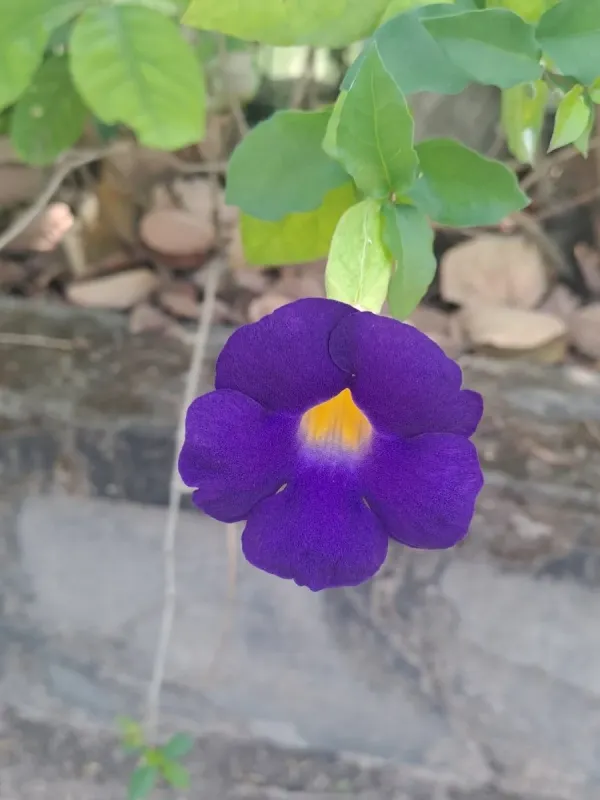
Description
Sowing dates
Thunbergia erecta is typically propagated via seeds or semi-hardwood cuttings. Seeds should be sown in late winter or early spring in a well-draining, nutrient-rich potting medium, kept at a steady temperature of 22–25 degrees Celsius.
Maintaining high humidity is essential for germination, so covering the seed trays with a plastic dome or glass is recommended. Once seedlings develop a few sets of true leaves, they should be transplanted into individual pots.
For propagation by cuttings, select 10–15 cm long stems during the summer months. Dipping the cut ends in rooting hormone before planting in a mix of peat and perlite significantly increases success rates.
Proper aeration of the rooting medium prevents rot, which is a common issue when propagating in overly wet conditions. Young plants must be gradually acclimated to lower humidity levels after rooting.
Regular pinching of the terminal buds is encouraged to promote bushier growth and prevent the plant from becoming too leggy, especially when grown indoors.
Growing requirements
Thunbergia erecta is a member of the Acanthaceae family and originates from tropical regions of West Africa. It is widely recognized for its striking, trumpet-shaped flowers and glossy, deep green foliage.
This species thrives in full sun but appreciates partial shade during the hottest parts of the day in regions with intense solar radiation. Adequate light is the primary factor for consistent blooming throughout the season.
The soil requirements are strict: the medium must be fertile, humus-rich, and have excellent drainage. Soil pH should ideally be neutral to slightly acidic to ensure proper nutrient uptake.
Watering frequency should be high, keeping the soil consistently moist but never waterlogged. During the cooler winter months, the watering cycle should be reduced to prevent root rot.
As a tropical shrub, it requires warm temperatures to flourish. It cannot tolerate frost, and sustained temperatures below 15 degrees Celsius will negatively impact its development and blooming capacity.
Main diseases and pests
Spider mites are the most common pest, especially in indoor environments with low humidity. They thrive on the undersides of leaves, causing yellowing and webbing, which can be mitigated by frequent misting.
Whiteflies and aphids can occasionally infest the plant, drawing sap from young leaves and shoots. Regular inspections and the use of insecticidal soap are effective control methods.
Root rot is a major threat caused by overwatering or poorly drained containers. Ensuring the pot has adequate drainage holes is crucial for the plant's long-term health.
Fungal leaf spots can occur if the foliage remains wet for extended periods in poorly ventilated areas. Good air circulation is essential to prevent these infections from establishing.
Nutritional deficiencies, specifically magnesium or iron, may show up as interveinal chlorosis. A balanced liquid fertilizer applied during the growing season helps maintain plant vigor.