
Sweet clock-vine
Thunbergia fragrans Roxb.
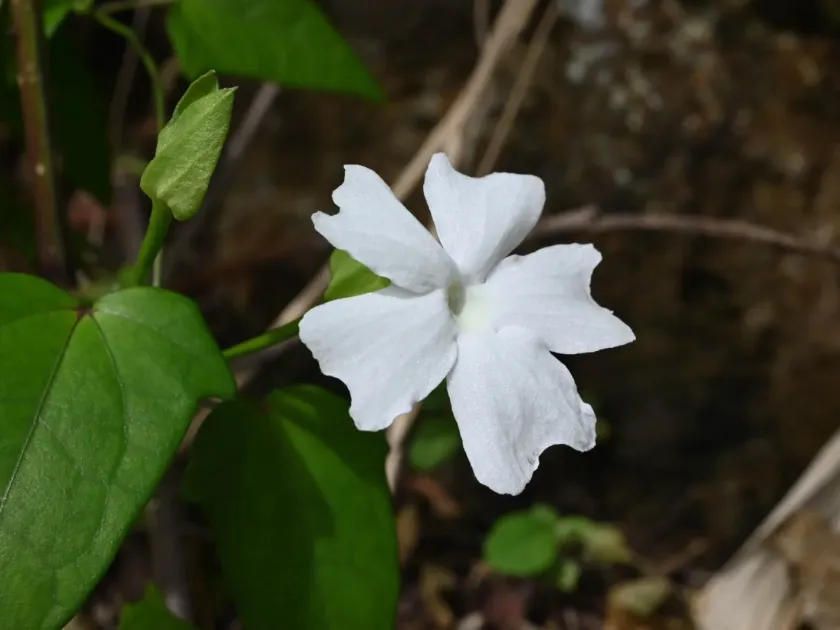
Description
Sowing dates
Thunbergia fragrans, known as the sweet clock-vine, belongs to the Acanthaceae family. It is a perennial climber, valued for its elegant, pure white flowers and distinct fragrance, typically grown as an annual in cooler climates.
Seeds should be sown indoors 6 to 8 weeks before the last frost date. They require a warm germination environment, ideally around +22°C, and a light potting mix that provides consistent moisture without becoming waterlogged.
The sowing depth should be approximately 0.5 to 1 cm. Germination can be irregular, so it is recommended to keep the containers in a darkened area until the first shoots emerge, then provide bright light immediately.
Transplanting seedlings into individual 10 cm pots allows for a strong root system development. Handle the seedlings with care, as they have delicate stems that can break easily during manual handling.
Acclimatization of the plants before moving them outdoors is vital. Hardening off the plants over a 10-day period prevents transplant shock and ensures the vine transitions smoothly to outdoor conditions.
Growing requirements
The sweet clock-vine thrives in full sun but benefits from light shade during the hottest hours of the afternoon. Proper exposure is essential for triggering the development of fragrant floral buds.
It prefers well-drained, humus-rich, and slightly fertile soils. If growing in containers, a premium quality potting mix with added perlite is recommended to improve aeration and prevent compaction of the root zone.
Consistent watering is necessary during the active growing season. While the plant loves humidity, it should never be left sitting in standing water, as this leads to root diseases and yellowing foliage.
Structural support is essential for this climber. Using a trellis, netting, or wooden stakes helps the plant display its flowers more effectively and encourages vertical growth, which improves overall plant health.
Feeding the plant with a balanced fertilizer every two weeks encourages sustained growth. Monitor the plant for signs of nutrient deficiency, such as chlorosis, which can be managed with iron-enriched supplements.
Main diseases and pests
The primary threats to Thunbergia fragrans are spider mites and whiteflies, especially when humidity levels drop or temperatures soar. These pests can rapidly colonize the leaves, leading to stunted development.
Fungal issues such as leaf spot or powdery mildew can occur if the plant is grown in areas with poor air circulation. Proper spacing between plants and keeping the foliage dry are effective preventive measures.
Root rot caused by overwatering is a critical threat. If the soil remains consistently damp, pathogens can destroy the root system, causing the entire plant to wilt and collapse within a few days.
Environmental stress, including sudden temperature drops, can cause the vine to drop its buds prematurely. Protecting the plant from cold drafts is essential for maximizing its flowering potential.
- Check the undersides of leaves weekly for small insects.
- Use neem oil as an organic treatment for initial pest infestations.
- Maintain consistent hydration but never waterlog the root system.