
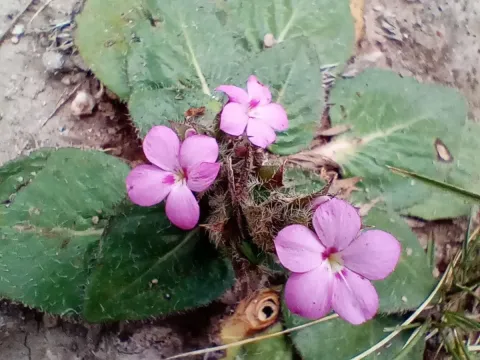
Stenandrium
Stenandrium
Stenandrium is a genus of perennial herbaceous plants belonging to the Acanthaceae family, naturally occurring in tropical areas of the Americas. In horticultural practice, it is appreciated for its attractive foliage and unique growth habits, which reflect its adaptation to humid forest understories.
What the section contains


Stenandrium
To successfully cultivate Stenandrium, one must maintain high humidity levels, as the plant suffers quickly in dry indoor environments. The ideal temperature for consistent growth ranges between +20°C and +25°C, and it is crucial to avoid sudden thermal shifts or exposure to cold drafts.
The potting medium must be well-draining, lightweight, and rich in organic matter. A mixture containing peat, perlite, and humus is generally recommended to ensure sufficient aeration and moisture retention, providing a healthy environment for the delicate root system.
Light requirements for this crop include bright, indirect light throughout the day. Direct exposure to intense sun will scorch the leaves, while insufficient light can cause the plant to become leggy and lose its vibrant coloration or compact structure.
Regular watering with soft, room-temperature water is essential. The soil surface should be monitored to ensure it remains slightly damp; however, waterlogging must be strictly avoided, as stagnant water is a primary cause of physiological decline in this genus.
The most common pests affecting Stenandrium are spider mites, which thrive in low-humidity conditions. Infestations lead to yellowing leaves and webbing, often requiring careful inspection and the application of appropriate biological or chemical pest control measures.
Fungal pathogens represent the main disease threat, typically linked to overwatering and inadequate soil drainage. Diseases like root rot can compromise the entire plant, necessitating an immediate reduction in watering and sometimes complete repotting into fresh, sterile substrate.