
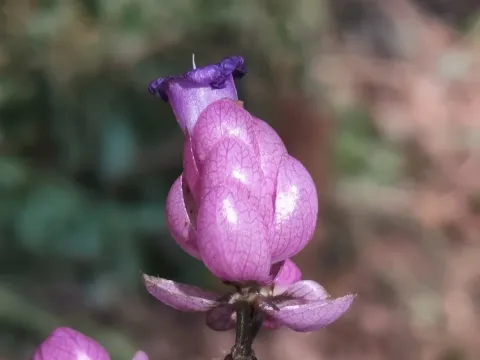
Strobilanthes
Strobilanthes Bl.
Strobilanthes is a genus of flowering plants belonging to the Acanthaceae family, known for their unique foliage and significant ornamental value. These plants exhibit diverse growth habits, ranging from herbaceous perennials to shrubs, which are native to tropical regions of Asia and Madagascar.
What the section contains


Strobilanthes
In terms of ecological requirements, Strobilanthes thrives in environments that replicate tropical forest conditions. The plant is highly dependent on humidity levels, which should remain consistently high to prevent physiological stress, especially during the active growth phase.
Soil composition must be rich in organic matter and possess excellent drainage capabilities to support healthy root development. A substrate with a slightly acidic to neutral pH level is ideal for optimizing nutrient uptake and ensuring vigorous vegetative growth throughout the season.
Regarding light, the plant demands bright but filtered sunlight. Excessive direct solar radiation can scorch the leaves and degrade the vibrant pigmentations that define many species of this genus, while insufficient light leads to etiolation and loss of structural integrity.
Temperature management is critical for the stability of the crop. The plant performs best in a range between 20°C and 25°C. It is intolerant to cold drafts and significant temperature fluctuations, which necessitates stable microclimate control in greenhouse settings.
The primary pests targeting Strobilanthes include spider mites and mealybugs, which are particularly troublesome in environments with low humidity. These pests feed on cell sap and can quickly cause severe damage to leaf aesthetics if not managed promptly.
Root rot represents the most significant fungal threat, typically triggered by over-irrigation or inadequate drainage. Preventing this condition requires precise water management and the use of well-aerated, high-quality growing media to keep oxygen levels optimal for roots.
Fungal infections such as powdery mildew can also occur under stagnant air conditions. Improving airflow through mechanical ventilation and maintaining appropriate spacing between plants are fundamental cultural practices to mitigate these risks in an intensive farming system.
Chemical control involving systemic insecticides and fungicides should be employed judiciously and only when cultural practices fail to suppress pest or disease outbreaks. Prioritizing biological controls and routine inspections is a more sustainable approach for large-scale operations.
Strict sanitation protocols, such as disinfecting tools and isolating new plant materials, are essential to maintain a healthy growing environment. Early detection of symptoms is the most effective strategy to ensure consistent harvest quality.