
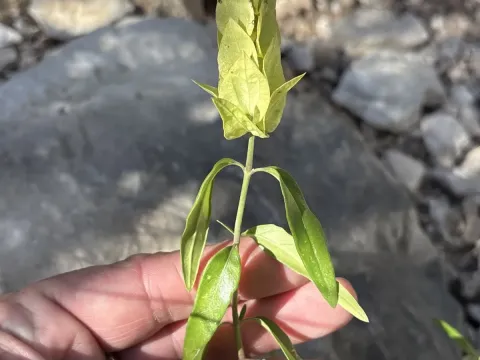
Yeatesia
Yeatesia
Yeatesia is a genus of perennial herbaceous plants belonging to the Acanthaceae family. These plants are known for their distinct morphology and are primarily found in the southern regions of North America and Mexico.
What the section contains


Yeatesia
In their natural habitat, Yeatesia species prefer shaded areas under the forest canopy. They are well-adapted to environments where humidity levels are relatively high and soil moisture is consistent throughout the growing season.
Successful cultivation requires soil that is rich in organic matter and possesses excellent drainage capabilities. Preventing waterlogging is crucial, as the root system of these plants is susceptible to rot in stagnant conditions.
Temperature management is another key factor for Yeatesia. While they can tolerate moderate fluctuations, they thrive best in stable, temperate-to-warm conditions without exposure to extreme heat or freezing cold.
The practical application of this genus is mainly focused on ornamental horticulture. Due to its graceful aesthetic, it is often utilized in woodland garden designs where low-light conditions are prevalent and require specific plant selections.
The primary threats to Yeatesia health include various fungal pathogens that flourish in damp, poorly ventilated environments. Leaf spots and root decay are common symptoms of inadequate site maintenance.
Insect pests, specifically sap-sucking insects like aphids and mites, can cause significant damage to foliage during periods of low humidity or stress. These pests weaken the plant, making it more susceptible to environmental stress.
Slugs and snails present a constant threat to younger specimens, often damaging the tender shoots and leaves, which can severely hinder the plant's growth early in the season.
Proactive management of these threats involves maintaining proper plant spacing to allow for airflow, which significantly reduces the incidence of fungal issues.
Regular monitoring of the garden environment is recommended to identify early signs of pest infestation or disease, allowing for targeted and effective interventions using organic-friendly treatments.