
Tetramerium
Tetramerium
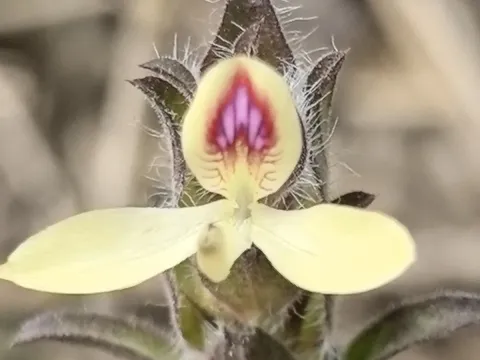
Tetramerium is a genus of flowering plants belonging to the Acanthaceae family. These plants are native to the tropical and subtropical regions of the Americas and are recognized for their distinct botanical structure and ornamental value.
What the section contains

Tetramerium
Successful cultivation of Tetramerium requires bright, filtered light conditions. While the plants can tolerate some sun, excessive exposure to direct heat can cause dehydration, necessitating the use of shaded greenhouse environments or protected outdoor spots.
Soil requirements involve a well-draining, nutrient-rich substrate. A standard mix for Acanthaceae includes peat moss, perlite, and organic compost, which ensures that water flows freely, preventing the roots from suffocating in overly saturated media.
Climatic conditions for Tetramerium must remain stable, ideally between 20°C and 28°C. Being of tropical origin, the plant does not possess tolerance to frost or cold snaps, making it unsuitable for outdoor cultivation in temperate climate zones.
Regular maintenance practices include consistent watering and scheduled fertilization. During the growing season, a balanced liquid fertilizer applied every two to three weeks helps in maintaining vigorous growth and vibrant foliage development.
Common pests affecting Tetramerium include spider mites and mealybugs, which tend to infest the undersides of the leaves. Manual removal and the application of horticultural soaps are effective initial steps for control.
Fungal infections, such as root rot, occur predominantly due to poor drainage and overwatering. It is essential to ensure that the potting medium dries slightly between waterings to maintain the overall health of the root system.