
White shrimp plant
Justicia betonica
Description
Growing requirements
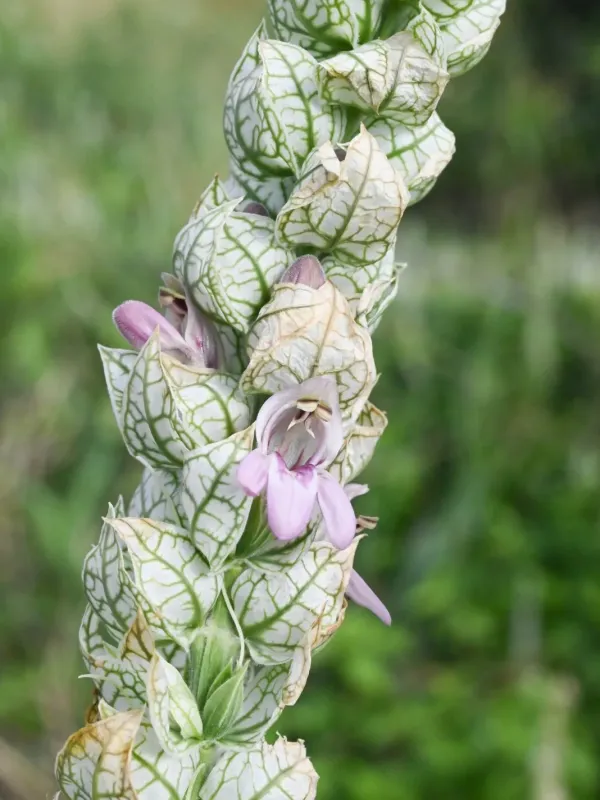
Justicia betonica, commonly known as the white shrimp plant, is a perennial shrub belonging to the Acanthaceae family. Native to tropical regions of Africa and Asia, it is highly valued for its unique inflorescences, which feature bracts with distinctive green veining that resemble the look of betony leaves.
The cultivation of this plant requires a tropical or subtropical climate, as it is frost-sensitive and thrives only in warm temperatures. Indoors, it should be placed in a spot with bright, indirect light, as direct sunlight can easily scorch the foliage and cause stress to the plant.
Regarding soil requirements, Justicia betonica prefers a loose, well-draining potting mix rich in organic matter. Maintaining a slightly acidic to neutral soil pH is ideal for nutrient absorption. Consistent moisture is necessary for healthy growth, although the soil should never become waterlogged.
Agrotechnical management involves regular pruning to encourage a bushy growth habit. If left unpruned, the plant may become overly leggy, which reduces both its aesthetic appeal and structural integrity. Regular fertilization during the growing season supports the development of its ornamental bracts.
The plant has various uses, ranging from traditional medicine in its native range to its use as an ornamental specimen in conservatories and greenhouse settings. Its ability to flower throughout the year under optimal conditions makes it a favorite among collectors of tropical botanical species.
Main diseases and pests
Common pests affecting Justicia betonica include spider mites and mealybugs. These insects thrive in environments with low air circulation and high temperatures, often congregating on the undersides of leaves or in the leaf axils, where they feed on plant sap.
Fungal issues such as root rot represent a major threat, usually caused by overwatering or poor drainage. To prevent these infections, it is crucial to allow the top layer of the soil to dry slightly between waterings and ensure that containers have adequate drainage holes.