
Sericocalyx
Sericocalyx
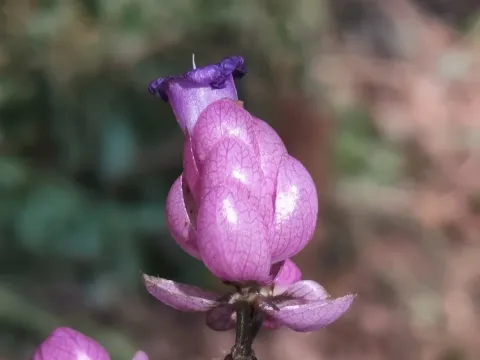
Sericocalyx is a genus of tropical plants classified under the Acanthaceae family. These plants are native to the forest ecosystems of Southeast Asia, thriving in high-humidity and high-temperature environments.
What the section contains

Sericocalyx
Botanically, they are represented by perennial shrubs that exhibit unique floral structures, often protected by prominent bracts. Their morphology is well-adapted to the understory conditions of tropical rainforests, where light filtration is significant.
The cultivation of Sericocalyx requires precise control over environmental parameters. The plants perform best in a temperature range that prevents thermal stress while maintaining high atmospheric moisture to simulate their native habitat.
Regarding soil requirements, they prefer nutrient-rich, well-draining substrates. The inclusion of organic matter is vital for sustaining vigorous growth, while preventing waterlogging is essential to avoid root-related physiological issues.
Economically and horticulturally, Sericocalyx serves as a significant subject for botanical gardens and specialized collectors. Their niche status in ornamental horticulture is based on their distinct aesthetics and their ability to add diversity to greenhouse collections.
The primary threats to Sericocalyx health involve fungal infections caused by overwatering or poor air circulation. Prolonged moisture on leaves can lead to mold development, which compromises the vitality of the plant.
Pest management is focused on controlling common greenhouse invaders such as spider mites and mealybugs. These pests exploit the plant's succulent foliage, especially when the ambient humidity is not managed correctly.
To maintain a healthy crop, growers should implement strict sanitation practices, including removing dead leaves and ensuring adequate spacing between plants to facilitate airflow. These preventive measures are more effective than curative treatments.
In cases of infestation, integrated pest management (IPM) strategies are recommended to protect the sensitive foliage of the Acanthaceae species. Avoiding harsh synthetic chemicals is preferred to maintain plant vigor.
Lastly, monitoring the soil pH and drainage levels is crucial to mitigate abiotic stress, which often precedes pest attacks. A balanced approach to nutrition and environment remains the best defense against major threats.