
Stenandrium tuberosum
Stenandrium tuberosum
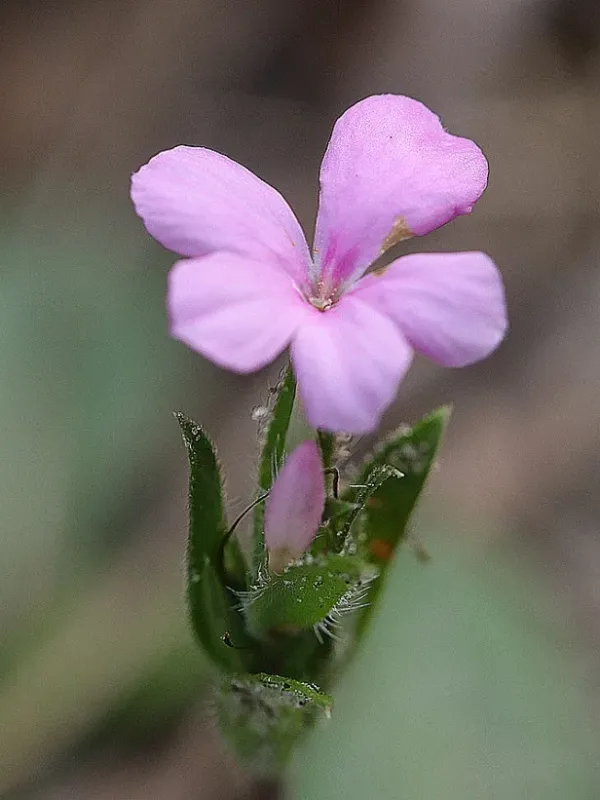
Description
Growing requirements
Stenandrium tuberosum is a herbaceous perennial plant belonging to the Acanthaceae family. Native to the tropical regions of South America, this plant is valued for its unique foliage and distinct growth habit adapted to humid, shaded environments.
Botanically, it is characterized by the presence of tuberous roots, which serve as storage organs for water and nutrients. This morphological feature allows the plant to sustain itself during shorter periods of resource scarcity in its native habitat.
The plant requires a warm climate with temperatures consistently ranging between 20°C and 25°C. Due to its tropical origins, it is highly sensitive to cold, making it a popular choice for indoor cultivation in temperate regions rather than outdoor farming.
Optimal soil conditions include a well-draining, lightweight potting mix. A combination of peat-based substrate and coarse perlite is recommended to ensure proper aeration for the root system, which significantly reduces the risk of waterlogging.
Light requirements are focused on bright, indirect light. Placing the plant away from direct sun exposure prevents leaf scorch and maintains the vibrant coloration of the leaves, ensuring the plant remains healthy and visually appealing.
Main diseases and pests
Like many tropical ornamental plants, Stenandrium tuberosum is susceptible to root rot if overwatered. Providing an efficient drainage system and allowing the top layer of the soil to dry out between watering intervals is essential for disease prevention.
Spider mites represent a major pest risk, particularly in environments with low air humidity. Regular misting and monitoring are recommended to detect and manage infestations before they cause significant structural damage to the foliage.
Mealybugs can also infest the plant, hiding in the leaf axils. Physical removal with an alcohol-dipped swab is an effective way to control light infestations without resorting to heavy chemical applications.
Fungal pathogens such as powdery mildew can develop if ventilation is poor. Ensuring adequate air circulation around the foliage is a key management strategy for maintaining a disease-free plant in indoor settings.
Environmental stress, such as exposure to cold drafts or rapid temperature fluctuations, makes the plant more vulnerable to secondary infections. Maintaining a stable environment is the most effective way to ensure long-term plant health.