
Stenandrium barbatum
Stenandrium barbatum
Description
Growing requirements
Stenandrium barbatum belongs to the Acanthaceae family and is native to the tropical regions of South America. It is characterized by its unique foliage and specialized adaptation to low-light environments found on forest floors, making it a distinct specimen for plant collectors.
Climate requirements for this culture are strict: it thrives in temperatures between 20°C and 25°C. Exposure to cold drafts or temperatures below 15°C can cause immediate physiological stress, leading to leaf drop or growth cessation. High humidity levels are essential throughout the year.
Soil requirements involve using a well-drained, porous growing medium. A blend consisting of organic peat moss, perlite, and coconut coir is recommended to maintain moisture without risking waterlogging of the root system, which is highly susceptible to rot.
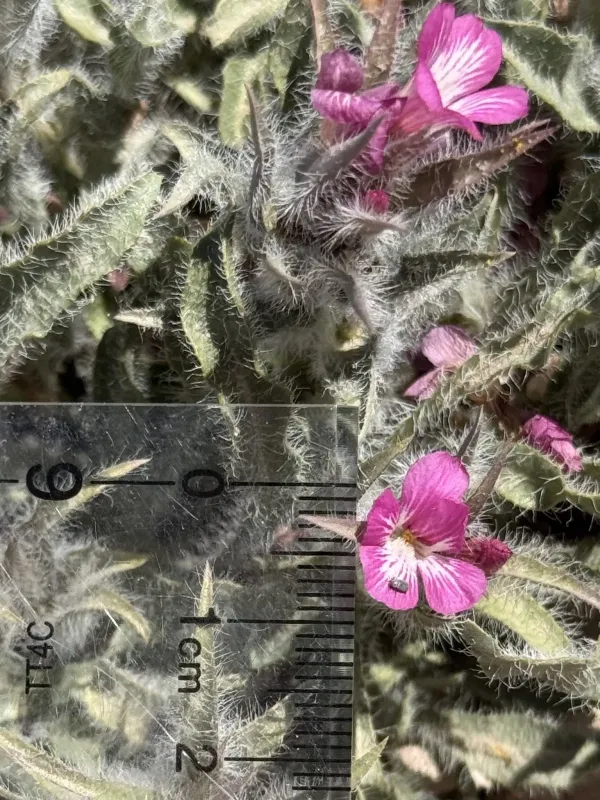
Botanically, the plant is distinguished by its velvety, bearded foliage that gives it a unique texture. The growth habit is compact, forming a rosette that remains close to the soil surface, with occasional inflorescences appearing during the active growing season under favorable conditions.
In horticultural practice, Stenandrium barbatum is cultivated primarily for its aesthetic appeal. It is utilized in specialized indoor garden projects, terrariums, and botanical conservatories where precise environmental control allows for the maintenance of its exotic and delicate biological structure.
Main diseases and pests
The primary threats to the health of the plant include root rot caused by stagnant water in the root zone. Overwatering is the most common error in cultivation, as the roots require a balance between oxygen availability and hydration to maintain vigor.
Pest pressures primarily include spider mites and mealybugs, which thrive in indoor environments with low airflow and insufficient humidity. Regular inspections of the foliage and preventive cleaning are crucial to keeping the plant free from these invasive organisms.