
Stenandrium dulce
Stenandrium dulce
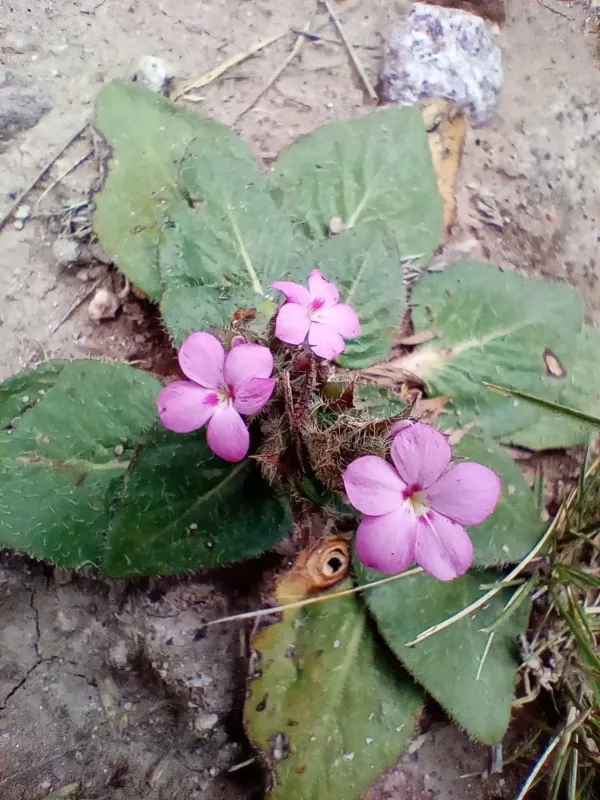
Description
Growing requirements
Stenandrium dulce is a herbaceous perennial plant belonging to the Acanthaceae family. Native to the tropical regions of South America, it is appreciated for its unique growth habit and adaptability in controlled environments.
The plant thrives in well-draining, nutrient-rich soils. When cultivating in containers, a mix comprising peat, coconut coir, and perlite provides the structural integrity and aeration required for healthy root system development.
Environmental conditions should mimic tropical habitats, maintaining temperatures between 20°C and 28°C. Stenandrium dulce is sensitive to cold and should be kept away from drafts or temperatures falling below 15°C to ensure year-round vitality.
Watering requirements are moderate; the substrate should remain moist but never waterlogged. Monitoring soil moisture is crucial, as excess water retention in the pot is a primary cause of physiological stress in this species.
Light levels should be bright but filtered. Direct sunlight during the midday hours can be harmful, potentially scorching the leaves, so positioning the plants near eastern or western windows is ideal.
Main diseases and pests
The primary pests affecting Stenandrium dulce include spider mites, which are particularly active in low-humidity environments. Regular misting and proper air circulation can prevent significant infestations.
Root rot remains the most serious disease threat, typically caused by overwatering. Ensuring that pots have adequate drainage holes is essential to prevent water accumulation at the bottom of the root zone.
Mealybugs can occasionally infest the plant, hiding in leaf axils. Mechanical removal followed by application of insecticidal soap is usually effective for small to moderate pest populations.
Fungal leaf spots may occur if the foliage remains wet for prolonged periods. To manage this, avoid overhead watering and ensure that the plant canopy has enough space for air to move freely.
Nutrient imbalances, particularly iron deficiency, can manifest as interveinal chlorosis. Maintaining a balanced fertilization schedule will ensure the plant remains vigorous and resistant to minor infections.