
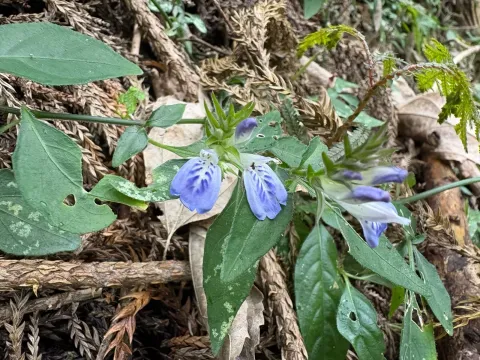
Rungia
Rungia
Rungia klossii, commonly known as the mushroom plant, is typically grown from cuttings or seeds in a controlled environment. When starting from seeds, sow them in trays during early spring, keeping the substrate at a temperature between 20 and 25 degrees Celsius for optimal germination.
What the section contains


Rungia
Once the risk of frost has passed, transplant the seedlings into permanent garden beds or greenhouses. It is essential to space the plants about 30 to 40 centimeters apart, as the shrubs tend to spread significantly as they mature.
In tropical or subtropical regions, direct seeding is possible once the soil has warmed up sufficiently. The crop demonstrates high vigor when provided with well-draining, nutrient-rich soil and consistent moisture during the early establishment phase.
This plant belongs to the Acanthaceae family and is a perennial herb native to tropical regions of Southeast Asia, including parts of Indonesia, Malaysia, and Papua New Guinea.
The leaves possess a distinct flavor and aroma resembling fresh mushrooms, which has earned the plant its common culinary name. The foliage is dark green, glossy, and oval-shaped with pointed tips, making it an attractive addition to a garden.
The crop thrives in well-lit areas but should be protected from harsh afternoon sun, which may scorch the delicate leaves. Partial shade is acceptable and can even improve the texture and succulence of the foliage.
For successful cultivation, the soil should be fertile, loose, and slightly acidic to neutral. Preventing waterlogging is crucial, as the roots are sensitive to rot; therefore, providing a good drainage layer in clay-heavy soils is recommended.
Rungia is extremely sensitive to cold and does not tolerate freezing temperatures. Growth effectively stops when temperatures drop below 10 degrees Celsius, necessitating a transition to climate-controlled indoor spaces during colder months.
Agrotechnical practices include regular feeding with organic fertilizers during the active growing season. Applying compost or worm castings once a month provides sufficient nitrogen to encourage lush leaf production.
Frequent pruning of the growing tips helps stimulate bushiness and delays flowering, which is essential to maintain the best flavor profile for culinary purposes.
The yield of Rungia depends on the frequency of harvesting and light availability. Under ideal conditions, a single plant can provide multiple harvests throughout the season, quickly regenerating its foliage after cutting.
In commercial settings, the leafy mass is harvested when shoots reach approximately 15–20 centimeters in height. Regular and timely harvesting ensures the plant remains in a vegetative state and maintains its characteristic flavor intensity.
The plant is widely used as a healthy addition to salads, soups, and vegetable stir-fries. Due to its unique mushroom-like taste, it is highly valued as a protein-rich green in vegetarian diets.
With its high content of protein, vitamins, and minerals, Rungia is considered a promising crop for functional food production. The leaves are also used in traditional herbal medicine for their nutritional benefits.
The shelf life of freshly cut Rungia is short, so it is best consumed shortly after harvest or preserved using quick-freezing methods to maintain its aroma and texture.
Common pests include aphids and spider mites, which may thrive if the air humidity in a greenhouse environment becomes too low. Regularly checking the undersides of the leaves is critical for early detection and control.
Overwatering or poor air circulation can lead to root rot and fungal infections. Maintaining proper airflow and allowing the surface of the soil to dry out slightly between waterings are effective preventative measures.
Slugs and snails can cause significant damage to young plants in open garden beds. Protective barriers such as crushed eggshells, wood ash, or gravel around the base of the plant can deter these mollusks.
Viral infections are relatively rare but can occur; any symptomatic plants should be removed immediately to prevent the spread of pathogens throughout the planting area.
Proactive disease management relies on crop rotation and ensuring that all gardening tools are sanitized before use to avoid mechanical transmission of diseases.
Harvesting Rungia should be done selectively by snipping off individual branches or terminal shoots with sharp shears. Care must be taken not to damage the main stem, allowing the plant to continue its growth cycle.
The best time for harvesting is early in the morning when the leaves are fully turgid and contain the highest concentration of essential oils responsible for their unique flavor.
For short-term storage, it is best to avoid washing the leaves, as excess moisture can cause them to darken prematurely. A gentle wipe with a dry or slightly damp cloth is usually sufficient to remove surface dust.
If long-term storage is required, the leaves can be dried in a shaded, well-ventilated area, although some of the distinctive mushroom aroma may be lost during the dehydration process.
Consistent harvesting is a vital part of Rungia’s maintenance, as it discourages the plant from entering a flowering phase and encourages the development of new, tender lateral shoots.