
Ruellia rosea
Ruellia rosea
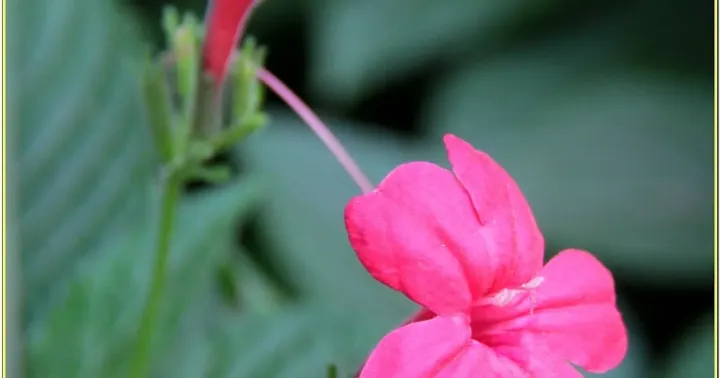
Description
Growing requirements
Ruellia rosea is a member of the Acanthaceae family, known for its distinct botanical characteristics and tropical origins. Native to Central and South America, it thrives in warm, humid conditions that mimic its natural understory habitat.
Climate requirements for this culture are stringent: it requires consistent temperatures ranging between 20°C and 25°C. Exposure to sudden drops or cold drafts will immediately impact the plant's physiological health and lead to leaf drop.
Soil composition must prioritize aeration and moisture retention. A standard horticultural mix consisting of peat moss, perlite, and high-quality organic matter is essential. Ensuring that the pH remains slightly acidic to neutral is critical for nutrient uptake.
Light intensity should be moderate and diffused. While the plant can tolerate some indirect light, direct tropical sunlight often causes leaf chlorosis and burn patterns, necessitating the use of shading cloths in greenhouse environments.
Cultural management involves precise hydration techniques. Irrigation should be applied when the top layer of the substrate becomes slightly dry to the touch, preventing root suffocation caused by anaerobic soil conditions.
Main diseases and pests
Spider mites are the most persistent pest for Ruellia rosea, especially when humidity levels drop below 60%. These mites feed on cell sap, causing fine stippling and eventual necrosis of the foliage.
Fungal infections, particularly root rot, pose a significant risk when drainage is inadequate. Pathogens like Pythium species can rapidly compromise the integrity of the root system if the substrate remains waterlogged.
Powdery mildew represents a major threat in closed cultivation systems with poor air circulation. High humidity combined with fluctuating nocturnal temperatures creates the perfect environment for spore germination on leaf surfaces.
Whiteflies are another significant threat, as they colonize the underside of leaves and secrete honeydew, attracting secondary fungal growth. Integrated pest management (IPM) practices, including the introduction of natural predators, are recommended.
Sanitation is a vital component of protection. Removing debris, dead leaves, and maintaining greenhouse hygiene reduces the reservoir of pests and diseases, ensuring a healthy cultivation cycle for the crop.