
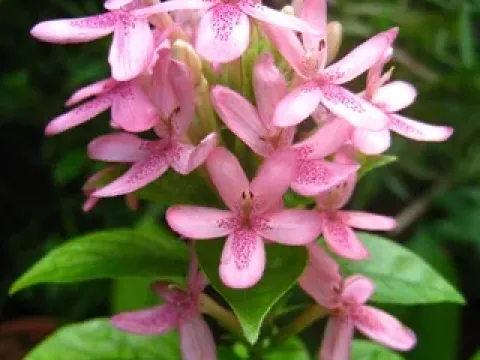
Ruspolia
Ruspolia
Sowing of Ruspolia is carried out in soil that has warmed up, when the top layer temperature is consistently above 15 degrees Celsius. A critical condition for successful seed germination is high substrate moisture during the first weeks after planting.
What the section contains


Ruspolia
The optimal sowing pattern involves row spacing of 45 to 60 centimeters, which provides the plant with the necessary space for intensive vegetative mass development.
The sowing depth typically ranges from 2 to 3 centimeters, depending on the mechanical composition and soil density at the site.
When planning sowing dates, it is necessary to consider the absence of late spring frost risks, as seedlings are extremely sensitive to low temperatures.
To accelerate uniform emergence, it is recommended to pre-treat seeds with specialized biological products that protect against soil pathogens.
Ruspolia demonstrates a high demand for light, preferring open areas that are well-warmed by sunlight throughout the entire day.
The crop grows best in light to medium loamy soils that have a neutral or slightly acidic pH and good root system aeration.
During the active growth phase, the plant requires regular irrigation, as soil moisture deficits can lead to a sharp decrease in photosynthesis intensity.
The optimal temperature range for Ruspolia's normal physiological activity is between 22 and 30 degrees Celsius under stable moisture conditions.
Applying complex mineral fertilizers, especially those high in nitrogen during early stages, can significantly increase the productivity of this crop.
Ruspolia yield metrics depend directly on agricultural practices and proper management, allowing for high biomass production in favorable climatic conditions.
With intensive cultivation technologies, green mass yields per hectare can reach significant volumes suitable for further processing or forage use.
To maintain stable productivity throughout the season, it is recommended to apply fertilizer after each cycle of intensive mowing of vegetative shoots.
The nutrient accumulation coefficient in the biomass makes this plant a valuable component for feed formulations, increasing its economic significance.
Regular monitoring of crop status and timely weed control are key factors in ensuring high crop yields.
Among the main phytopathological threats to Ruspolia are fungal diseases of the root system, which arise from systemic waterlogging of the soil.
The plant's foliage may be affected by specific leaf spots caused by nutrient imbalances or high air humidity.
Among pests, sucking insects pose the greatest danger, as they can reduce the plant's overall immune resistance and slow down its growth.
- Root rot of various etiologies.
- Powdery mildew in dense plantings.
- Aphids and other leaf-feeding pests.
Disease prevention consists of adhering to crop rotation, using high-quality seeds, and timely application of authorized fungicides.
Ruspolia harvesting is performed during the phase of most active nutrient accumulation, when the plant reaches optimal parameters for its intended use.
The mechanical mowing process should be performed with sharpened blades to minimize root collar damage and stimulate subsequent regeneration.
It is important to avoid harvesting in high-humidity conditions or during rainfall to prevent rotting of the gathered plant mass during transport and storage.
After harvest, the field requires cleaning of crop residues, which can become reservoirs for disease pathogens in the following season.
To maintain raw material quality post-harvest, rapid drying or processing is recommended depending on the chosen economic use.