
Rungia pectinata
Rungia pectinata
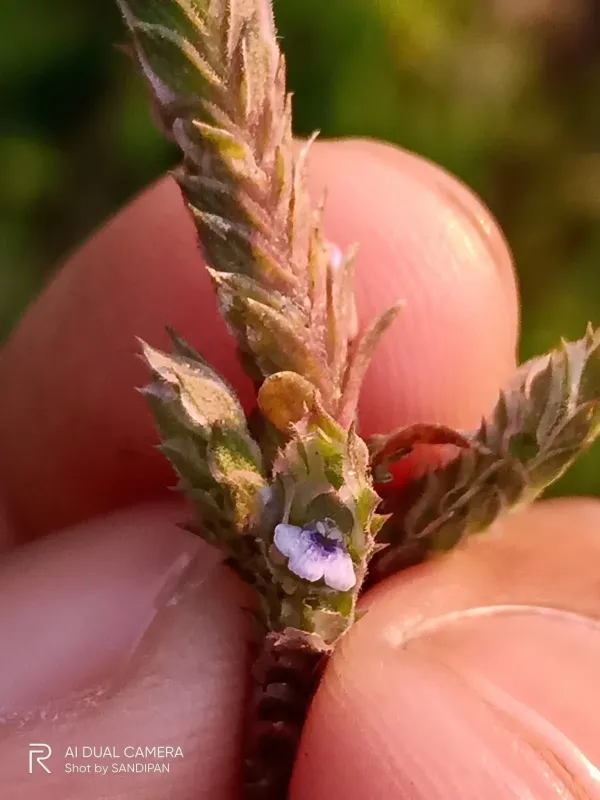
Description
Sowing dates
Rungia pectinata is a fast-growing plant belonging to the Acanthaceae family, often cultivated for its nutritional value and unique flavor profile.
Seeds are typically sown in early spring under controlled indoor conditions, ensuring the soil temperature remains consistently warm, around 22–25 degrees Celsius.
When sowing, provide a well-drained, light potting mix, covering the seeds lightly to maintain moisture without causing rot during the germination phase.
Once seedlings have developed several true leaves, they can be transplanted into larger containers or outdoor beds after the risk of frost has passed.
Propagation through cuttings is also highly effective; stems placed in water or damp perlite will develop roots within two to three weeks under warm conditions.
Growing requirements
This plant thrives in environments with high humidity and bright, indirect light, mimicking its natural tropical and subtropical habitat.
Soil requirements include a rich, loamy medium with excellent moisture retention capabilities, ideally maintained at a neutral to slightly acidic pH level.
Consistent watering is essential for the health of Rungia pectinata; the root system should never be allowed to dry out completely between sessions.
The plant performs best in regions where temperatures remain consistently above 15 degrees Celsius, as sudden cold snaps can damage its delicate foliage.
Regular fertilization with a balanced, organic-based liquid fertilizer every few weeks promotes vigorous vegetative growth and enhances nutritional density.
Main diseases and pests
Spider mites are the most common pest, especially in environments with poor air circulation or low humidity, which often leads to foliage damage.
Fungal issues such as powdery mildew can occur if the plant is kept in overly damp conditions with limited ventilation between the branches.
Root rot, caused by overwatering or poor drainage, is a significant threat that can kill the plant quickly if soil moisture management is ignored.
Biological pest control methods, such as introducing predatory mites or using neem oil, are recommended for maintaining the safety of the edible leaves.
Maintaining a clean growing area by removing decaying plant matter helps significantly reduce the incidence of soil-borne pathogens and fungal infections.
Harvesting
Harvesting should be conducted frequently, targeting the tender tips and young leaves to encourage the plant to bush out and produce more growth.
The leaves are consumed raw or lightly cooked, offering a crisp texture and a fresh flavor that complements many vegetable-based dishes and salads.
For optimal quality, harvest in the cool hours of the morning and store the greens in a chilled environment to ensure maximum shelf life.
The plant is highly regenerative; continuous pruning keeps the plant from flowering too early and focuses energy into leaf production instead.
Due to its high demand for moisture, ensure that harvested stems are kept hydrated to prevent wilting before they are used in culinary preparations.