
Rungia repens
Rungia repens
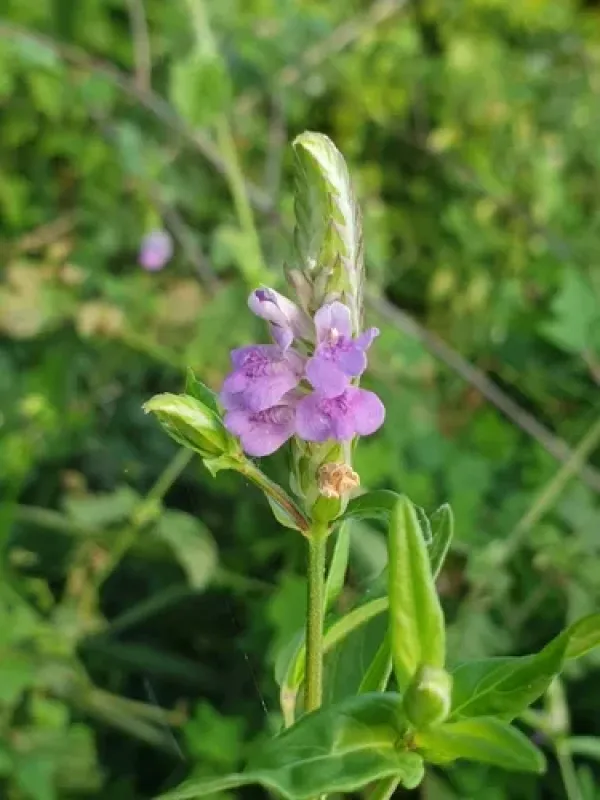
Description
Sowing dates
Rungia repens, a member of the Acanthaceae family, is a versatile leafy vegetable commonly known as the mushroom plant. It is widely cultivated in tropical and subtropical regions for its tender leaves.
The seeds should be sown in a warm, moist medium at temperatures above 20°C. Due to the small size of the seeds, they are typically surface-sown and lightly covered with soil or vermiculite.
Propagation is most efficiently achieved through stem cuttings. Because the plant has a creeping habit, stem nodes root easily when in contact with moist, nutrient-rich soil, allowing for rapid field establishment.
When starting from seeds, ensure high humidity levels by covering the trays with clear plastic until germination occurs. Once seedlings have two sets of true leaves, they can be transplanted.
Proper spacing is crucial to encourage air circulation and prevent fungal outbreaks within the dense foliage. A distance of 25–30 cm between plants is usually sufficient for a productive patch.
Growing requirements
The crop thrives in rich, moisture-retentive, and well-draining soil. It is highly sensitive to drought; therefore, consistent irrigation is necessary to maintain the succulent quality of the leaves.
As a tropical plant, Rungia repens prefers warm environments. Growth is most vigorous at temperatures between 22°C and 28°C. Cold weather will significantly inhibit its growth rate.
It prefers partial shade, particularly in climates with very intense sunlight. Under excessive sun exposure, the leaves may become leathery, whereas shade promotes the development of tender, flavorful foliage.
The soil should be enriched with well-rotted organic matter before planting. Applying a balanced liquid fertilizer during the growing season helps sustain the high demand for nitrogen during continuous harvesting.
Mulching is a recommended practice to retain soil moisture and suppress weed competition, as the plant's creeping stems can be difficult to weed manually once they cover the ground.
Main diseases and pests
The most significant threats to Rungia repens are root rots caused by waterlogged soil conditions. Ensuring proper drainage is the primary defense against soil-borne pathogens.
Aphids and slugs can occasionally infest the foliage, particularly in humid greenhouse environments. Regular monitoring is necessary, and organic soaps can be used for pest control if needed.
Fungal diseases like powdery mildew may appear if air circulation is poor or if the plants are kept too crowded. Thinning the crop and pruning excessive growth helps manage these risks.
Nematodes can sometimes be a problem in warmer tropical soils. Implementing crop rotation cycles helps break the lifecycle of potential soil-dwelling pests and maintains overall plant vigor.
Environmental stress, such as extreme heat or sudden cold snaps, often makes the plants more susceptible to secondary infections; therefore, maintaining stable growing conditions is key to health.
Harvesting
Harvesting Rungia repens is performed by selectively pruning the growing tips. This method promotes branching and increases the overall yield throughout the productive season.
Leaves and young shoots are best harvested in the early morning to ensure maximum crispness and turgidity. This timing preserves the distinct "mushroom" aroma for which the plant is prized.
The crop is highly perishable. Once harvested, the leaves should be chilled immediately or kept in a shaded, cool area to prevent wilting, which occurs rapidly due to the high water content of the tissues.
This vegetable is a culinary asset, serving as a substitute for spinach or as a flavor-enhancing ingredient in stir-fries, soups, and raw salads where a mild, earthy taste is desired.
Regular harvesting prevents the plant from becoming woody or entering a flowering stage too early, thereby extending the duration of the harvest period for several months in favorable conditions.