
Rungia klossii
Rungia klossii
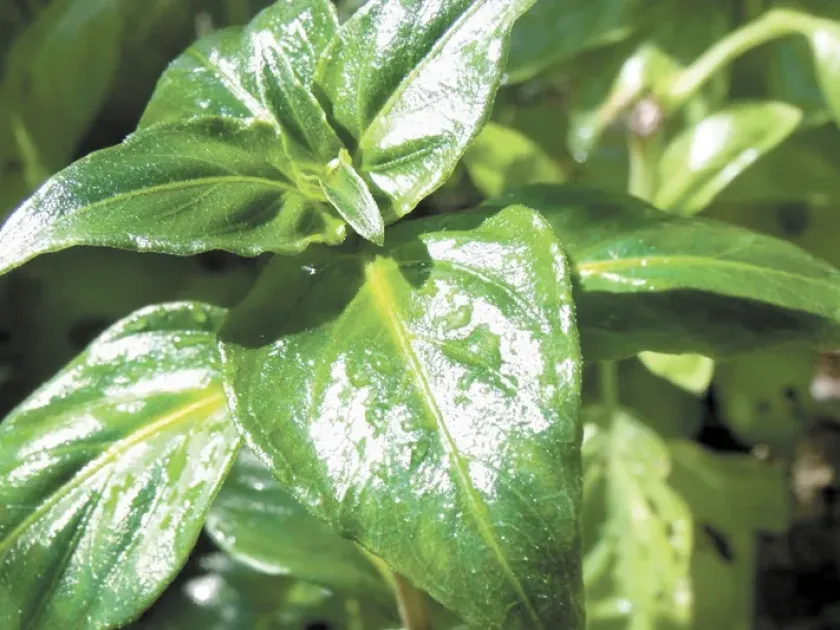
Description
Sowing dates
Rungia klossii, popularly known as the mushroom plant, is a perennial herb native to Papua New Guinea. Belonging to the Acanthaceae family, it is prized for its unique flavor, which remarkably mimics that of fresh mushrooms when consumed.
Propagation is most commonly achieved through stem cuttings, which root easily in moist soil or water. Seeds can also be used, but germination requires high humidity and steady temperatures around 20–25 degrees Celsius.
The plant thrives in temperate climates if grown as an annual or in greenhouses. It is extremely frost-sensitive and should only be planted outdoors once all danger of frost has passed and the soil has warmed up.
When sowing, choose a location with dappled shade. Direct, harsh sunlight can scorch the leaves and stunt growth, while deep shade will cause the plant to become leggy and less productive.
Regular pinching of the terminal buds is recommended early on. This simple cultural practice encourages lateral branching, resulting in a bushier, more productive plant with a higher yield of edible leaves.
Growing requirements
This crop requires consistent moisture and will not tolerate drought. The soil should be rich in organic matter, well-draining, and kept constantly damp to maintain the succulent nature of the leaves.
An ideal pH range for Rungia klossii is between 6.0 and 7.0. Regular additions of compost or a balanced liquid fertilizer during the growing season will ensure the plant remains vigorous and productive.
The plant performs best in temperatures ranging from 18 to 28 degrees Celsius. If temperatures drop below 10 degrees, the plant will go into dormancy or suffer damage, so container growing is advised for cooler regions.
Mulching the base of the plant with organic materials like leaf mold helps retain soil moisture, suppresses weeds, and provides a steady supply of nutrients as it breaks down.
Proper air circulation is crucial to prevent fungal issues. Ensure there is enough space between plants when planting in the garden or greenhouse to allow leaves to dry out after irrigation.
Main diseases and pests
Rungia klossii is generally hardy, but it is susceptible to slug and snail damage, especially in damp conditions. These pests can quickly skeletonize the foliage if not controlled early.
Fungal diseases like powdery mildew can occur if the humidity is too high and ventilation is poor. Early detection and improving airflow usually resolve these issues without chemical intervention.
Aphids and spider mites may attack the plant in indoor environments. Monitoring the undersides of the leaves regularly and using insecticidal soaps can manage these infestations effectively.
Maintaining soil hygiene by removing dead leaves and weeds around the base of the plant significantly reduces the habitat for potential pests and soil-borne pathogens.
Avoid overhead watering in the evenings, as moist foliage overnight increases the likelihood of leaf spots and other moisture-related ailments that affect the plant's health.
Harvesting
Harvesting can begin once the plant is well-established, usually 8–12 weeks after planting. Simply harvest individual leaves or snip off small branches as needed for daily culinary use.
The leaves are best used fresh, as they contain high water content and wilt quickly after harvest. They can be added raw to salads for a fresh crunch or cooked in soups and stir-fries.
Cooking the leaves intensifies their mushroom-like aroma, making them an excellent substitute in recipes for those who prefer plant-based ingredients or have specific dietary restrictions.
Frequent harvesting prevents the plant from flowering prematurely. Once it begins to flower, the leaves can become more fibrous and lose their preferred tenderness and flavor profile.
For storage, the leaves should be kept in a sealed container in the refrigerator. They can also be dehydrated, although the delicate mushroom scent is more potent when the leaves are fresh.