
Rungia angustifolia
Rungia angustifolia
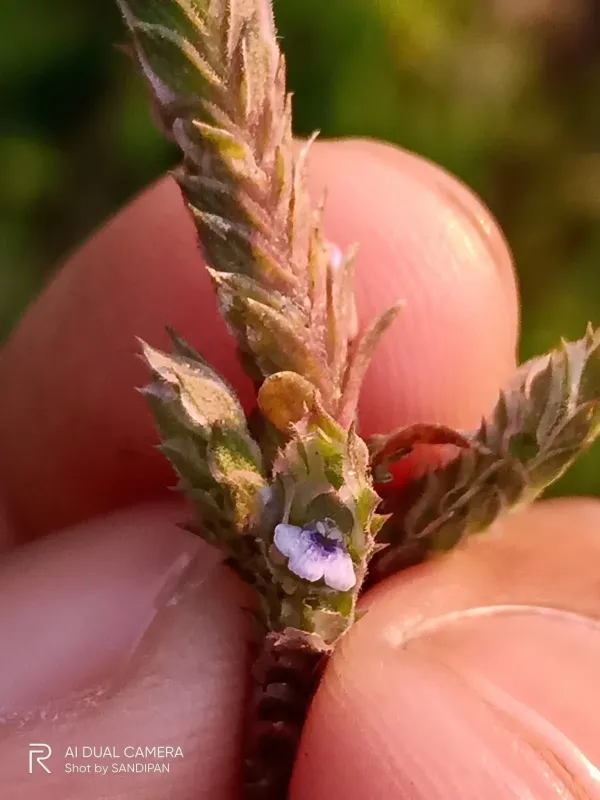
Description
Sowing dates
Rungia angustifolia, commonly known as the mushroom plant, belongs to the Acanthaceae family. It is a perennial herb often grown as an annual in various climates for its unique flavour.
Propagation is most commonly achieved through stem cuttings, which root easily in moist soil or water. This method ensures a quick start for the crop compared to growing from seeds.
When starting from seeds, use a warm, protected environment such as a greenhouse or nursery trays. Keep the substrate consistently moist until germination occurs, which usually takes about two weeks.
Transplanting seedlings to their permanent location should only occur once the risk of frost has passed and temperatures remain consistently above 15 degrees Celsius.
Ensure that plants are spaced about 30 cm apart to allow adequate airflow, which is critical for preventing fungal diseases in the dense foliage of the plant.
Growing requirements
The mushroom plant thrives in fertile, well-draining, and moisture-retentive soils. A pH balance near neutral is ideal for maximizing nutrient uptake and plant vigour.
Adequate hydration is essential; the soil should never be allowed to dry out completely, as the plant reacts quickly to drought by drooping and losing its leaf quality.
While it tolerates partial shade, the plant grows most vigorously in bright, indirect light. Exposure to intense midday sun should be avoided to prevent leaf scorch.
Warmth is a key factor; the ideal temperature range for rapid growth is between 20 and 26 degrees Celsius. Growth slows significantly if temperatures drop below 10 degrees.
Occasional organic fertilization during the growing season will help maintain the plant's production of succulent, flavourful leaves for culinary use.
Main diseases and pests
The most common pests include spider mites and whiteflies, especially in greenhouse conditions where air circulation might be insufficient and humidity levels fluctuate.
Fungal issues, such as powdery mildew, can occur if the foliage remains wet for extended periods or if the planting density is too high for the environment.
In outdoor settings, snails and slugs pose a significant threat to the young, tender leaves of Rungia angustifolia and should be managed with organic deterrents.
Preventative care involves ensuring good spacing, maintaining proper drainage, and removing any decaying plant matter that might harbour pests or pathogens.
Avoid heavy pesticide use, as this is an edible crop. Biological control methods or simple manual removal of affected leaves are preferred for maintaining a healthy harvest.
Harvesting
Harvesting can begin approximately 6 to 8 weeks after planting, once the plant has established a robust root system and formed a dense bush of healthy foliage.
Use sharp scissors to prune the top 10–15 cm of the stems. This method is dual-purpose: it yields high-quality produce and stimulates the plant to branch out.
Picking leaves in the early morning ensures that the harvest is crisp and maintains its mushroom-like aroma for the longest possible duration after cutting.
Continuous harvesting throughout the season is possible if the plant is well-fed and watered, allowing for multiple cuts from a single, healthy specimen.
Store harvested leaves in a cool, humid environment or an airtight container in the refrigerator to preserve their freshness and prevent them from wilting prematurely.