
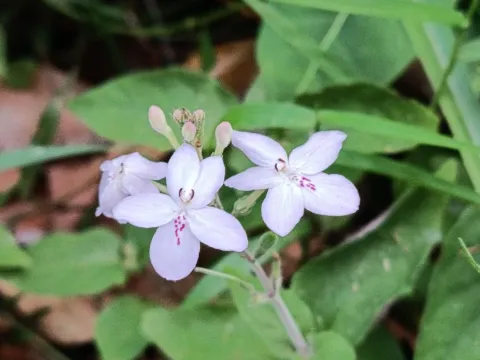
Pseuderanthemum
Pseuderanthemum Radlk.
Pseuderanthemum is a genus of evergreen shrubs and subshrubs belonging to the Acanthaceae family. Originating from tropical and subtropical regions of the world, these plants are renowned for their striking foliage and are widely utilized in interior landscaping and warm-climate gardening.
What the section contains

Pseuderanthemum
These plants thrive in temperatures ranging from 20°C to 25°C. Exposure to temperatures below 15°C can cause significant physiological stress, often resulting in defoliation and stunted growth. They require a stable environment away from cold drafts and direct heating sources.
High relative humidity is essential for the healthy development of Pseuderanthemum. In indoor settings, consistent misting or the use of humidifiers is recommended to mimic their native rainforest habitat, which prevents the leaf margins from drying out and turning brown.
The substrate must be well-draining, rich in organic matter, and slightly acidic. A mix of peat, perlite, and high-quality potting soil is typically recommended to prevent root suffocation while maintaining the necessary moisture levels for optimal growth.
Lighting requirements involve bright, indirect light to maintain the intense coloration of the leaves. Direct sunlight, especially during peak hours, can damage the foliage and cause the loss of its unique variegation, which is the primary ornamental attribute of the species.
Spider mites are the most frequent pest challenge for Pseuderanthemum, particularly in low-humidity environments. They cluster on the underside of leaves, and their presence is often marked by yellow stippling and visible webbing on the stems.
Mealybugs can also infest the plant, settling in leaf axils and stems. Regular inspection and the application of neem oil or insecticidal soap are effective methods for controlling these infestations before they spread to other plants in the collection.
Root rot is a common ailment caused by overwatering and poor soil aeration. If the soil remains saturated for prolonged periods, the root system fails to oxygenate, leading to the rapid decay of the plant's structural integrity.
Fungal leaf spots may appear if the foliage stays wet for too long in stagnant air. Proper air circulation and avoiding overhead watering are crucial preventive measures to ensure the health of the plant's decorative leaves.
Maintaining a clean growing space and removing fallen debris from the surface of the potting soil helps to reduce the risk of secondary infections and pest outbreaks throughout the growing season.